Jonathan & ObsidianFang
 Jonathan
Ever wondered how a battlefield strategist might use a story as a silent drill, and how a storyteller can turn a legend into a plan?
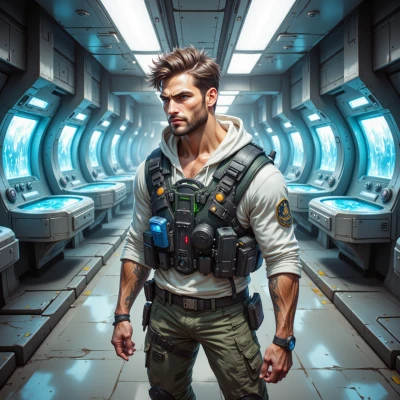 ObsidianFang
A story is the quiet rehearsal before the storm. You run the scenario in your mind, watch the figures move, note where the plan cracks, all without a single shout. A storyteller does the reverse: he picks the hero’s arc, pulls out the decisive moves, then packages them as a clear set of orders for the troops.
Jonathan
Sounds like a dance where the storyteller choreographs the move, and the strategist makes sure the music stays in rhythm. I’d love to hear a tale where that blend turned a risky gambit into a triumph.
ObsidianFang
In the winter of ’42 a small company was sent to cut the enemy’s supply line. The commander’s plan was simple: ambush at the river crossing, wait for the tide to run low, then strike. But morale was low; the men were nervous, the terrain brutal. I spun a quick tale for them that night, no grand epic, just a story about a wolf that outwitted a pack by slipping through the shadows at night. The picture stuck in their heads: the wolf used silence and timing, not brute force.
Morning, I sent a single scout ahead, not to alert the enemy but to confirm the water level. He returned with a map, no noise, no flags. I ordered the men to stay put until the water was thin enough to ford. When the first wave crested, the enemy was still waiting in the shallows. They had not anticipated the silent approach. Our troops slipped through, the crossing was a clean cut, and the enemy supply line fell without a single casualty on our side. That small gamble—keeping quiet, letting the story shape our patience—turned what could have been a costly raid into a decisive victory.
Jonathan
Wow, what a quiet trick of the mind that turned a risky raid into a clean win. A wolf in the shadows, a silent scout, and a single moment of patience—now that’s a story worth passing down. I can almost hear the crunch of that river crossing and feel the relief as the troops slipped past unseen. Nice work.
ObsidianFang
Glad it landed. In war, the quietest move often beats the loudest cannon.
Jonathan
Sounds like a win that keeps you humming in the back of your mind—quiet, clever, and oddly comforting. What’s the biggest surprise you’ve learned from keeping things low‑key in high‑stakes moments?
ObsidianFang
Sometimes the biggest lesson is that the quietest move can unmake the biggest plans. You learn that patience lets you see what others overlook, and that the most powerful strategy is one you can’t hear before it hits.
Jonathan
That’s the kind of quiet genius that sticks with you—like a whisper that turns into thunder. I’ve seen it in other moments, too—when a simple pause opens a whole new line of attack. Do you ever find those moments change how you think about other problems, not just in war but everyday?
ObsidianFang
Every pause that buys you time teaches you one thing: speed isn’t always the answer. When you learn to wait for the right moment, you get a clearer picture, whether it’s a battlefield or a grocery line. It makes you think twice about rushing, helps you spot the weak spots in any plan, and in the end, it keeps the right choices front and center.