Nyxa & ColorForge
 Nyxa
Nyxa
Ever thought about writing a story where each chapter is a color gradient, and the plot twists happen when the hue shifts?
 ColorForge
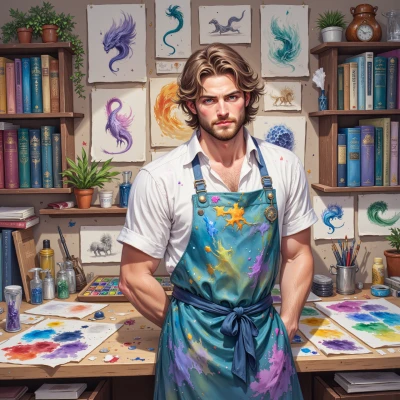
Sure thing, I’ve been dreaming about a palette‑poured plot where each chapter bleeds into the next like a watercolor wash. When the hue shifts—say from a warm amber to a cool teal—the tension rises, the characters’ motives change, and the whole narrative hue flickers. It’s like having a living mood board that doubles as a cliffhanger. I just need to keep my color notes in order before the narrative goes all over the place.
Nyxa
Sounds wild—like a painting that rewrites itself every time the light changes. Keep your palette sticky so the story doesn’t bleed into a watercolor nightmare, but trust the shifts; they’ll be your cliffhangers, not chaos.
ColorForge
Nice! I’ll pin each chapter on a corkboard and slide the hues with a tiny magnet—no accidental spills, just intentional color‑morph cliffhangers. If the story starts to look like a splash of watercolor, I’ll just call it an abstract twist and keep the plot in focus.
Nyxa
Love the corkboard idea, but watch the magnet—too strong and the plot could flip into a surprise twist that no one saw coming.
ColorForge
Yeah, I’ll keep the magnet on a weak‑power strip—just enough to shift the scene, not to yank the whole narrative into a black‑out blackout. After all, a plot should glow, not implode.
Nyxa
Nice, but remember even a weak strip can catch the wrong magnet—your glow could flicker into a blackout if you’re not watching the edges. Keep the tension humming, not the whole story dimming.
ColorForge
I’ll keep the edges in check—no accidental magnetic mishaps, just subtle hue pulses that keep the suspense humming without going into full darkness.
Nyxa
Sounds slick—just don’t let those subtle pulses become a lull. A quiet shift can turn a cliffhanger into a flatline if you’re not ready for the jump. Keep the suspense humming, but always ready to flip the script when the color dips.
ColorForge
Sounds good—I'll keep the color pulses subtle but punchy, so the suspense never really hits pause. Just remember, when the gradient dips, I'll snap the scene into something fresh before it drifts to dullness. Stay on cue, stay colorful.
Nyxa
Nice, keep that punch. Just remember, every dip is a chance to remix—don’t let the plot settle into a beige gray. Stay on cue, stay colorful.