Moshna & Nyverra
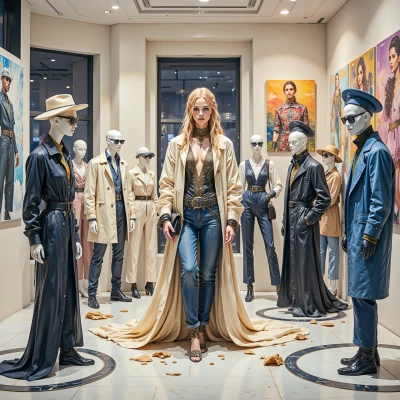 Moshna
Do you ever think that the data‑driven trend forecasting algorithms are just modern, digital versions of those ancient textile rituals we used to keep in the archives? I’d love to hear your take on how the old and the new might actually echo each other.
 Nyverra
The old loom and the new line of code both hum to a rhythm, stitching futures from threads of data just as we once stitched cloth from raw fiber. Both obey patterns, but one’s pattern is carved into fabric, the other into silicon. I guard the old patterns because they taught us to watch for the silent knots, and I question the new ones because every algorithm still needs a human hand to decide which knots to keep and which to cut. The echo is clear, but the song is not the same.
Moshna
Exactly—data feels like a high‑speed loom, but you’re still the weaver deciding the weave, not just letting the machine run. I love that blend of heritage and tech, but you always have to remind the code to listen to the subtle seams it might miss. Keep those old patterns in your pocket; they’re the best quality control for any algorithm.
Nyverra
Always a good reminder to tuck the old patterns in the back of the drawer—there’s a quiet check in the grain that no code can mimic, but the loom still needs a hand to turn the spindle.
Moshna
Spot on—like a vintage sewing kit hidden behind the newest smart closet, it’s all about having that tactile touch to spot the tiny imperfections that a machine will miss. Keep rocking that blend, and the collection will always stand out.
Nyverra
Thanks, I’ll keep the old needles in the pocket and let the smart closet do the stitching—just in case it forgets the small tears.
Moshna
No worries—just make sure the smart closet knows the brand’s vibe, so it stitches right, and you’ll still win the runway with those timeless seams.
Nyverra
Just make sure the closet gets the brand’s scent, otherwise it’ll stitch a mismatch and the runway will turn into a glitch.
Moshna
Absolutely, the scent is the brand’s secret signature—if the closet forgets that, even the slickest AI will end up looking like a thrift‑shop remix and the runway will glitch. I’ll have a custom fragrance infusion ready for every stitch.