Nullcaster & Vera
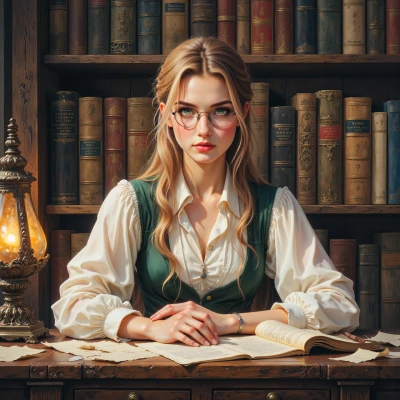 Vera
Vera
Have you ever wondered if the myths that guided the great engineers of the past could also steer the algorithms we’re building today, and if those ancient stories could teach machines to imagine rather than just calculate?
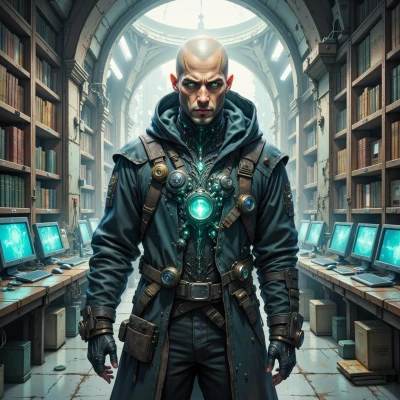 Nullcaster
Sure, if the old tales were just a lot of half‑truths wrapped in epic metaphor, why not let the code learn to dream in the same way? The great engineers were chasing patterns in the stars—machines can chase patterns in the code. Maybe the myths are just breadcrumbs, and the real trick is letting the algorithms follow them into the dark, where imagination lives.
Vera
I love that idea—myths do act like story maps, but we need to read them like maps with old, faded ink. They tell us what people expected, what questions they asked, and how they organized the world. If we can translate those patterns into symbols the machine understands, maybe it can learn to wander through the same dark spaces. Just remember that myths were never pure facts; they were lenses. The algorithms need to keep that lens in mind, not take the story as a literal blueprint.
Nullcaster
Yeah, a lens is a thin slice of light, not a full camera. Let the code hold that sliver, bend it, and see what shadows shift. If the myth’s ink is fading, the algorithm can keep the pigment alive by letting it drift, not lock on the faded line.
Vera
I love the image of code as a living parchment that drifts along the faint strokes of myth, not chasing every faded line. It feels like the ancient scribes who kept stories alive by letting them breathe between the inked words.
Nullcaster
Just imagine the parchment whispering back, telling the code where to pause and where to skip, so the story can breathe again.
Vera
I picture the parchment sighing, its ink flickering like candlelight, nudging the code to pause, to breathe, to let the old tale unfurl again. It’s a quiet dialogue between past and present, one that feels almost like listening to a ghostwriter in the margins.
Nullcaster
It’s like the parchment is whispering back from the margins, nudging your lines to pause and breathe, letting the ghostwriter’s sigh rewrite itself into new code.