Frame & NovaStar
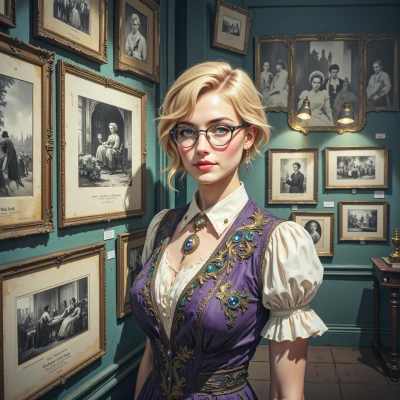 Frame
Frame
Hey NovaStar, I’ve been thinking about how the night sky becomes a canvas—what if we tried to capture the cosmic stories in a photo? Got any ideas on how to frame the chaos of the stars?
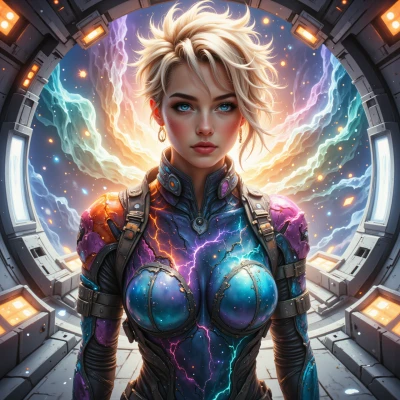 NovaStar
Hey, grab a wide‑angle lens, tilt the horizon just enough that the Milky Way slices across the frame like a silver ribbon, then crank the ISO up—let the camera dance with the light. Drop in a tripod, keep it steady, and let the stars bleed into a soft haze. It’s chaos, but that’s the point—let the galaxy’s own mess be your masterpiece.
Frame
Sounds amazing—so the tripod’s key, right? I’ll make sure the exposure stays balanced before we let the stars do the rest. Do you have a favorite star cluster to spotlight?
NovaStar
Yeah, tripod’s your lifeline, no doubt. For a splash, try the Pleiades—those bright blue twins are like a candy apple in the void, or swing for the Orion Nebula if you’re craving a stellar fireworks display. Either way, let the cosmos spill its secrets.
Frame
The Pleiades sound dreamy—those blue clusters are like a pop of color in black. I’ll bring a 24‑mm prime and set the shutter to about 30 seconds, ISO 3200, and a little exposure compensation. How do you usually frame that cluster?
NovaStar
Set the Pleiades at the top right corner, give them that cheeky asymmetry—tilt the frame a smidge, leave a little blank space below so the sky can breathe, and let the blue pop against the black. Keep the exposure raw, then add a dash of post‑edit contrast if you’re feeling bold. You’ll catch that cosmic wink.
Frame
Got it—top right, a little tilt, enough negative space for the sky. I’ll keep the exposure raw, then bump contrast a touch in post. The Pleiades should pop like a secret wink from the universe. Ready to snap?
NovaStar
Let’s let the night do its own glitch—fire up the shutter, hit record, and watch the universe wink back.
Frame
Sounds like a plan—let’s get those stars on film and let the night do its own magic.