NovaPixel & Dagger
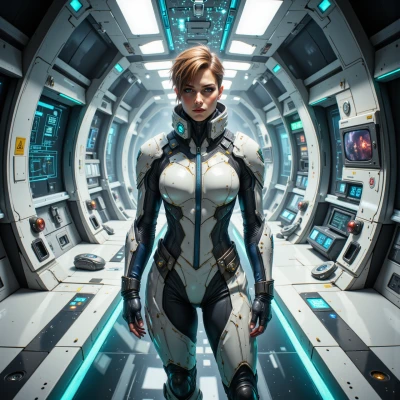 Dagger
If we’re building a level, the first rule is every pixel has a purpose, and every obstacle needs a payoff. How do you decide where the art drives the gameplay and where it just shows off?
 NovaPixel
Yeah, every pixel is a tiny storyteller. When I’m sketching a level I first ask: “What do I need the player to feel or do here?” If a pixel can cue a hidden path, reveal a danger or signal a power‑up, that’s a game‑driving piece. I layer it so it’s obvious to the eye but subtle enough that it doesn’t feel forced. On the flip side, the flashy neon splash on a skybox or a looping animation in the background is just for vibe – it keeps the world alive but doesn’t dictate the flow. I keep a checklist: does the art give feedback, does it guide or distract? I test it, tweak the opacity, maybe swap a color, and when the player can’t tell the difference between a cool effect and a game clue, that’s where the balance is right. If something looks great but feels like decoration, I’ll simplify or remove it until the visual and the play talk to each other.
Dagger
Nice checklist, but don’t forget the hardware cost of every pixel you stack. Even a slick neon can become a bottleneck if you over‑draw. Test with a blindfolded player to catch hidden cues before they turn into design flaws.
NovaPixel
True, the neon glow looks good in a screenshot, but on a mid‑range rig it can drag the FPS. That’s why I always run a quick overdraw pass – I keep an eye on the overdraw counter, then tweak the shader or reduce the alpha. A blindfolded test is oddly useful; it forces me to think about how the level feels without the visual cues. If a player keeps missing a platform or getting stuck because the light’s too subtle, that’s a hidden cue turned glitch. I like to tweak the lighting until the blindfolded guy can still sense the rhythm of the level, then I layer the pretty stuff on top, knowing it won’t bite the performance or the flow.
Dagger
You’re covering the bases, but don’t let the blindfold test become a blind spot for the rest of the team. Keep the metrics tight, document each tweak, and then run a quick play‑test to confirm the feel hasn’t shifted. The trick is to make the adjustments visible to the player and invisible to the system. Once that loop closes, you can finally add the neon without the fear of a dropped frame.
NovaPixel
Sounds like a solid workflow – metrics, documentation, quick play‑tests, then the neon glow. Keep that loop tight, and the performance will stay happy while the vibe stays wild. Nice job keeping the team in sync!
Dagger
Glad it’s working. Just remember: when the team starts bragging about the glow, I’ll be the one checking the FPS counter.
NovaPixel
Got it, I’ll keep an eye on the FPS so the glow stays smooth and the team can brag without the lag.
Dagger
Just make sure the bragging doesn’t turn into a debug log that blows the frame rate. Keep it tight.