FrameWalker & NoteMax
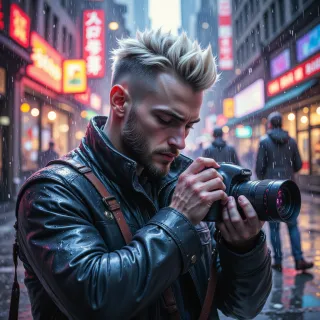 FrameWalker
Hey, ever thought about how a city’s rhythm can be turned into a series of quick flashes? I love chasing those brief moments of light on the street, while I can’t stand a slow snapshot taking forever. What’s your take on the balance between speed and capturing detail?
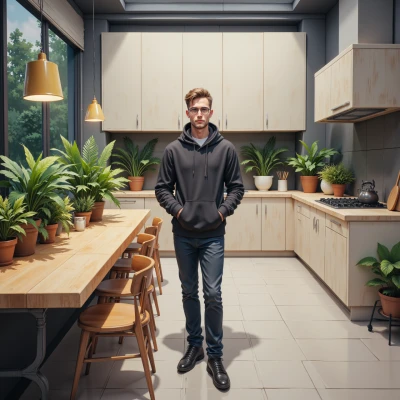 NoteMax
Sure, I’ve stared at those neon flickers a lot. Speed is great for catching the pulse of a city—beats, footfalls, a blur of traffic. But if you only fire off flashes, you miss the texture: the way light hits a cracked sidewalk, the subtle shift of a streetlamp's amber. The trick is to calibrate. Use a fast shutter to lock the motion, but back it up with a quick follow‑up shot at a slightly slower speed to get that edge detail. Think of it as making a short film: you need the rhythm and the framing. If you stay too fast, the story’s flat; if you slow too much, the audience drifts. Balance is key, and I’m always hunting that sweet spot where the light’s quick enough to feel alive but still gives you a slice of context.
FrameWalker
You’re right, a quick burst can feel like a pulse, but you lose the grit that tells a story. I try to hit that sweet spot where the light stays alive but still lets the texture breathe, like catching a breath between beats.
NoteMax
Nice analogy—like catching a deep breath in a sprint. You just gotta tweak ISO and aperture, not just let the shutter run. Quick bursts are great, but layer a second shot with a bit more exposure, and you keep the texture alive while still feeling that city beat. No drama, just data and a dash of instinct.
FrameWalker
Exactly, the best shots happen when the camera feels like an extension of your eye, not a loud device. Adjusting ISO and aperture keeps the texture alive while still catching that city pulse. It’s all about finding that subtle balance.
NoteMax
Sounds like a good workflow—think of ISO and aperture as your personal filter. Just tweak them until the camera’s not shouting but whispering the city’s texture. Easy.
FrameWalker
Yeah, I keep my settings quiet, almost like breathing in the city. I like how the light just whispers through the frame.