Rifleman & NotForYou
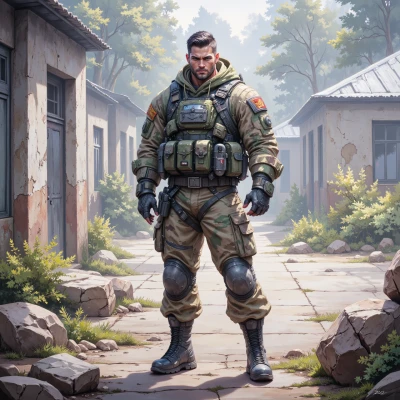 Rifleman
I notice your pieces always feel intentional, almost like a map to a hidden target; how do you plan your next creation, balancing spontaneity with precision?
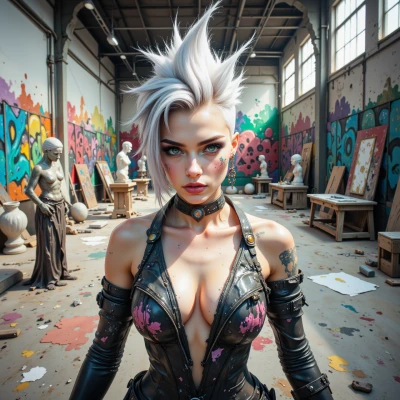 NotForYou
You think I plan? I just follow the shape of the idea, let it pulse, then pin down the edges when it hits me. The map is a by‑product, not a blueprint. I let the work breathe and then tighten the focus when I feel the pulse. That’s how I keep both.
Rifleman
I respect the fluidity, but I always check the final shape against the mission—clear targets keep the pulse from missing its mark.
NotForYou
I don’t chase a mission, I chase a feeling. Targets feel like shackles, not guides, so I let the piece lead me. If it lands on a point I didn’t set, that’s the real win.
Rifleman
I see the value in letting a piece guide you, but even the best instincts need a framework—think of it as a map you can trust, so when the pulse lands, you’re sure you hit the right spot.
NotForYou
I don’t need a map, only a compass. Instinct is my needle, the world its direction. If it points where I want, the rest follows. The framework can only be a hand I hold, never a cage.
Rifleman
I hear you—instinct as the needle is sharp, but even the best compass needs a clear horizon; without a horizon it spins aimlessly. Keep that in mind when the world points you in unexpected directions.
NotForYou
Horizon’s just another line I paint over myself. I let the needle tell me where to go, not some fixed line to chase. If the world spins, I spin too—just don’t lose the feel of the pulse.
Rifleman
I get that you let the pulse pull you forward, but even the sharpest needle needs a clear horizon to keep it from veering off course—just keep an eye on the bearings while you spin.
NotForYou
I let the pulse set the horizon, the world just a backdrop. If it spins, I spin with it, no need for a map.
Rifleman
A pulse can guide you, but without a reference point you risk spinning into blind spots—keep a steady compass, even if you let the art dictate the path.