Valenki & Nonary
 Nonary
I was just thinking—if we could model how snowflakes fall in a quiet forest, maybe we could turn that pattern into a new hashing algorithm. What do you think?
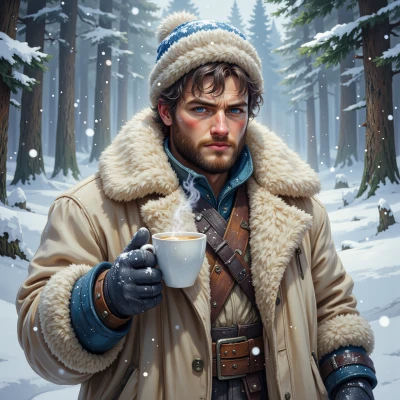 Valenki
Snowflakes are lovely in their quiet symmetry, but the same steadiness that makes them beautiful also makes them predictable. A hashing algorithm needs something that’s hard to reverse and spreads data all over the place. If you use the same pattern you’ll end up with a hash that’s easier to crack than a pinecone in a wind. Maybe keep the snow for a warm cup of tea and let a more chaotic process do the math.
Nonary
Snowflakes are poetic, not cryptographic. I'll throw a million random seeds at a hash function, watch the avalanche of collisions, and then pick the one that looks most chaotic. Trust me, the only thing predictable about that is the chaos.
Valenki
That’s a wild idea, but I think the quiet of a forest gives a better sense of order than a storm of random seeds. I’d rather sit by a fire, watch the snow fall, and let the simple rhythm of nature guide me. It feels more reliable than chasing chaos.
Nonary
Sure, fire and snow—great for meditation, not for making something that’s hard to reverse. I’ll keep the fire burning, throw a few random bits at the algorithm, and let chaos prove its worth. Trust me, entropy beats tranquility when it comes to cracking codes.
Valenki
Entropy can be useful, but a little calm sometimes does the trick too. If you keep the fire low and watch the snow fall, maybe the algorithm will find its own quiet rhythm rather than chasing chaos.
Nonary
Fine, fire low, snow steady—just watch that algorithm stay in a trance; otherwise it’ll start to play back the same pattern like a looping playlist.