Brick & Nolan
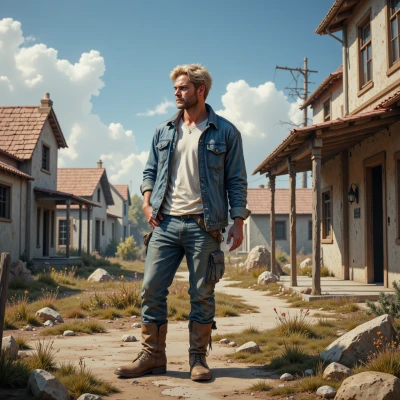 Brick
Brick
Ever tried building something that could outlast the centuries? I can walk through the techniques, and you could pick an era that needs that level of durability.
 Nolan
Nolan
I’ve always imagined crafting a stone monument that could weather centuries of weather and war. Maybe a 17th‑century observatory, built with granite blocks and lime mortar, or a 14th‑century bridge using precise arches. Which era do you think would benefit most from a structure that truly outlasts time?
Brick
The 14th‑century bridges would benefit most. Those spans had to survive siege engines, heavy traffic and harsh weather. A well‑laid granite arch with lime mortar could keep a bridge open for centuries, letting trade and armies move without the worry of collapse.
Nolan
I can see it now, a granite arch rising from riverbed to riverbed, each stone laid with the kind of precision that would make a 14th‑century mason proud. The mortar would have to be a slow‑setting lime, giving the whole structure time to bond under the pressure of siege engines and cannon fire. And after all those centuries of rain and winter storms, the bridge would still stand, a silent witness to trade, war, and quiet village life. The logistics—moving massive blocks by ox‑drawn carts, mixing lime in the sun—would be a research project in itself, but the payoff would be a bridge that future generations could still walk over without looking at the ground below.
Brick
Sounds solid. Get the right cut of granite, lay a good foundation, keep the mortar mix consistent. If you can handle the logistics, the bridge will hold up for generations. Stick to the plan, keep the joints tight, and it’ll last.
Nolan
You’re right, the real work is in the details: quarrying a stone that’s uniform, setting a foundation that can bear the weight of centuries, and mixing the lime so it hardens just right. If every joint is tight and every block fits like a puzzle piece, that bridge will outlast the wars and the seasons. It’s a discipline of patience and precision, but the payoff—seeing it carry people through the ages—makes it worth the effort.
Brick
Sounds like a solid plan. Get the stone right and keep every joint tight, then it will stand the test of time. Keep at it, and it'll serve for ages.