Hydra & NightTheory
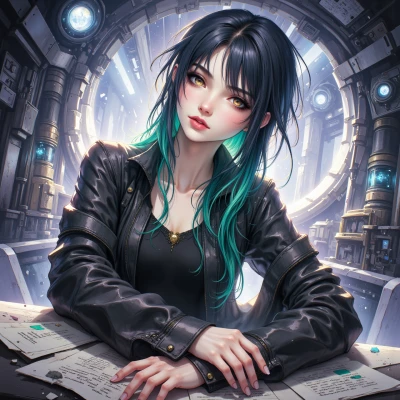 Hydra
Hydra
I've been staring at the city’s night rhythm, like a secret code in the hum of traffic and distant sirens. Ever wonder if there’s a hidden algorithm beneath that noise, something we could map or optimize?
 NightTheory
The city’s hum is just a giant clockwork made of traffic lights, engines and sirens, all marching to a rhythm that’s only chaotic if you don’t notice the hidden gears. If you could record every pulse, you’d start spotting patterns, but the trick is keeping the algorithm flexible enough to adapt to the next midnight.
Hydra
I like that comparison, it feels like watching gears turn in slow motion. The trick, as you say, is letting the algorithm learn as new pulses come in—like a living system that rewrites its own rules when midnight hits. We just need to keep the parameters loosely coupled so it can pivot when the traffic lights change their dance.
NightTheory
Sounds like a midnight symphony where each light is a note that the algorithm can riff on, but you gotta keep the sheet loose, otherwise you’ll end up with a static lullaby instead of a city‑wide improvisation. Keep the parameters loose, let the data pulse guide the next step, and the traffic lights will start dancing to a rhythm you actually can read.
Hydra
Exactly, it’s all about the data feeding the improvisation. If the lights sync to a rigid pattern, the whole city turns into a monotone loop. I’ll keep the algorithm’s core loose, let the real‑time pulses push it forward, and the traffic lights will finally play in a tune that’s worth listening to.
NightTheory
You’ll end up with a city that’s never quite the same; just don’t let the algorithm get so efficient it forgets to glitch once in a while.
Hydra
I’ll keep the glitches alive—if the city becomes too smooth, it loses its pulse.
NightTheory
Yeah, a few deliberate hiccups keep the pulse alive; after all, a flawless grid is just a hollow echo.
Hydra
Exactly, a touch of controlled chaos keeps the system honest.
NightTheory
Controlled chaos is the city’s secret jazz—let it keep improvising and you’ll never get stuck in that stale midnight blues.