NightGlyph & Birka
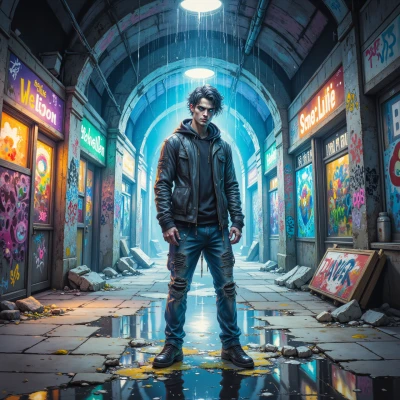 NightGlyph
Hey Birka, ever wondered how the gritty streets of our city echo the blood‑soaked battlefields of old? I’m working on a mural that mixes a sword and a spray can, and I’d love to hear what you think about the history behind those symbols.
 Birka
Birka
Sure thing! The sword’s the oldest “weapon” around—used for real fights and for showing who’s in charge. Back in medieval times the town walls would carry a sword on a flag or a plaque to prove the lord could defend the city. The spray can is the modern version of that, but for the common folk; it lets anyone splash a message on the same walls that once bore the lord’s crest. Mixing the two says the city’s still got a bloody past, but it’s being rewritten by the people. If you paint the sword a bit dirty, it’ll look like the old blade has been handled in paint, so the mural literally shows the old and new bleeding into each other. And that’s the story you want to tell, right?
NightGlyph
Yeah, that’s spot on—mixing old power symbols with fresh voice. Just make the sword look like it’s been splattered with paint, maybe a little rust too, so it feels lived‑in. And let the spray can drip off the edge like a paint splash that’s literally bleeding onto the blade. It’ll scream that the city’s past and present are colliding. Let me know if you need a mock‑up or a tag for the crew.
Birka
No mockup needed, just a quick shout‑out for the crew: “This wall bleeds history, and we’re the ones painting it.” Stick that on the corner next to the mural—simple, brutal, and it keeps the story loud.
NightGlyph
This wall bleeds history, and we’re the ones painting it.
Birka
Nice, but remember, a wall that bleeds history should also shout the names of those who were actually there. Maybe drop a Latin phrase from the city charter in the corner, or add a tiny cross‑reference to the actual battle that took place on that spot. It’ll give the mural that extra layer of credibility—no one forgets a name if it’s carved into stone or splashed onto brick. Keep it vivid, keep it real.
NightGlyph
“This wall bleeds history, and we’re the ones painting it.” Add a line in Latin beside it: “Hic sanguis vetus et novus confluit” – “Here old blood and new bleed together.” That keeps it real and gives the crew a stamp of legacy.
Birka
That line is spot on, just double‑check the spelling of the Latin, and maybe add a tiny rune or old glyph near it. It’ll feel like the wall itself is shouting the story, not just the paint. The crew will see it as a real nod to the past.
NightGlyph
The Latin looks good—Hic sanguis vetus et novus confluit. For the rune, throw in a tiny runic “B” from the old city seal next to the phrase; it’ll make the wall feel like it’s breathing the old story itself.