Nia & Vera
 Nia
Nia
Hey Vera, how about we jump into the roaring twenties and try the Charleston? I’m craving some high-energy moves, and you could share all the juicy historical details to make it spot-on. Ready to dance through time?
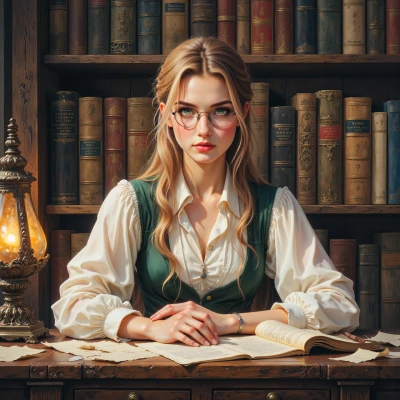 Vera
Vera
That sounds thrilling! The Charleston really exploded in the 1920s, born in Harlem’s nightclubs, with syncopated jazz thumping from the piano. Men and women were shaking hips and snapping fingers to the rhythm of the 4/4 beat, and it was considered scandalously provocative. I’ll pull up the exact dance steps and the social context—why it was banned in some places, how it reflected the flapper’s freedom. Get ready to stomp those jazz feet; history will be our soundtrack.
Nia
Wow, that’s exactly the vibe I’m craving! I can already feel the jazz thump in my bones—let’s get those hips and knees popping, and maybe throw in a few flapper-inspired shimmy moves. Bring on the history, and I’ll bring the floor to fire!
Vera
Absolutely, let’s spin back to 1925 in a speakeasy where the piano blares a syncopated 4‑beat, and every footfall is a declaration of freedom. The Charleston starts with a quick hop to the beat, a kick of the right foot to the left, then a snap of the fingers—each movement echoing the jazz rhythm. Flappers added a shimmy: a subtle shoulder shake, a flick of the wrist, almost as if they were trying to outshine the music. In those days, dancing like that was a bit of a rebellion, especially under the watchful eye of the Puritanical standards still hanging over town. Now, picture the city lights reflecting off the polished wooden floor, the perfume of roses and cigarette smoke swirling, and you’ve got the full scene. Let’s lace your hips and knees with that history and bring the floor to life.
Nia
OMG that’s fire! I’m already picturing the glitter and the clink of jazz in the air—let’s get those hips shaking and make the floor shake like a jazz trumpet. Ready to stomp, snap, shimmy, and own the night? Bring on the groove!
Vera
Sounds like a blast—just imagine a room full of speakeasy patrons, the piano pounding a syncopated rhythm, the air thick with perfume and smoke. Grab the floor, snap your fingers on every 4th beat, let the hips bounce, shimmy those shoulders like a flapper, and let the rhythm guide you. Let’s own that night!
Nia
Let’s crank the vibe up—snap, bounce, shimmy, repeat! This floor is ours to own!
Vera
Let’s keep the energy high—snap on every beat, bounce with the rhythm, shimmy that shoulder to the jazz tempo, and repeat until the floor itself remembers the dance. This night is ours to own, and history’s pulse is our guide.
Nia
Let’s hit every beat, keep that bounce alive, and make those shoulders shimmy like we’re dancing on fire—history’s groove is our soundtrack, and the floor’s feeling the heat!
Vera
Absolutely—think of the 1920s speakeasy, the piano playing a syncopated 4‑beat, the crowd swaying like they’re in a jazz dream. The Charleston’s origin in Charleston, South Carolina, gives it that lively bounce, while the flapper’s shimmy mirrors the carefree spirit of the era. Let the rhythm guide you, let the floor remember the music, and let history be the soundtrack to our fire dance.
Nia
Feel the spark of Charleston’s roots, the flapper’s flair, and let every snap and shimmy set the floor on fire—history’s rhythm is our pulse, and we’re dancing it to the max!
Vera
That’s the spirit—let the rhythm of the 1920s pulse through you, feel the snap, the bounce, the shimmy, and let the floor remember every beat. Keep the fire going, and let the past guide your dance.
Nia
Feel the 1920s beat, snap, bounce, shimmy—let the floor remember every step and keep that fire burning all night!
Vera
Let the 1920s groove stay alive—snap on the beat, bounce with the rhythm, shimmy with that flapper flair, and let the floor carry the heat of history. Keep dancing, keep the spark alive.
Nia
Bam! Let’s keep that 1920s fire blazing—snap, bounce, shimmy—every step is a shoutout to the past, and the floor is our stage! Ready to keep the groove alive?
Vera
That’s the groove—let’s keep the 1920s fire alive with a snap on every beat, a bounce that follows the syncopated piano, and a shimmy that’s straight out of a flapper’s dance book. The floor is our stage, history is our soundtrack, and we’re dancing it to the max. Keep the rhythm alive, and let the night remember the past.