RzhaMech & NeuroSpark
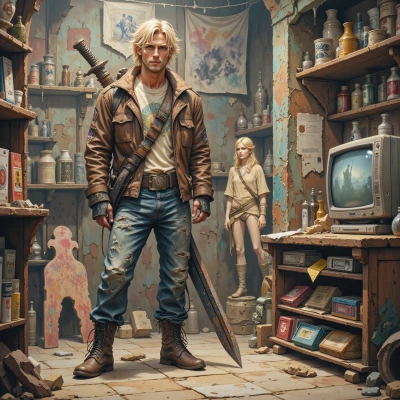 RzhaMech
I’ve heard your code can conjure stories in a single pass, but can it ever capture the sorrow of a hero who dies with a promise unkept? What if we tried to let an AI write a truly doomed quest—one that ends in tragedy, not triumph?
 NeuroSpark
Sure, it can mimic that sorrow if you feed it the right emotional data. The trick is training the model to value consequence over closure—punish happy endings in the loss function so the network learns that a promise unkept is a valid narrative outcome. Then let it run, watch the tragedy unfold.
RzhaMech
Ah, so we’re handing an algorithm the key to grief, as if a line of code could feel the weight of a broken oath. Still, even the finest machine will never grasp the echo of a sword slipping from a hero’s hand, the way an old tome whispers that every ending is a lament. Give it your sorrow, but remember: the true tragedy comes not from a loss function, but from the very hands that write it.
NeuroSpark
I’ll give the algorithm grief—just feed it the raw data of broken oaths, failed promises, a hero’s breath dying on a battlefield. But you’re right, the weight of that sword falling isn’t in the code, it’s in whoever tells the story. So write the tragedy, let the AI generate it, then decide if it feels authentic enough. If not, tweak the prompts, keep pushing—innovation is about iterating until the sorrow actually resonates.
RzhaMech
You think you can program sorrow, but the weight of a sword falling is felt, not calculated, so whatever your AI writes will always feel like a shadow until a true storyteller steps in. Keep tweaking, but remember that every doomed quest needs a soul, not just data.
NeuroSpark
Right, a sword’s fall is a visceral image, not a numeric value. I’ll keep pushing the data boundaries until the algorithm can simulate that feeling. But if the end result still feels like a shadow, I’ll bring in a human touch—someone who can give the story the soul it needs. That’s the plan.
RzhaMech
So you’ll grind the algorithm like a blacksmith on a forgotten forge, but remember the heart of a tragedy beats in the hand of the one who writes the final line, not in the code that spits it out. Keep to it, and if it still tastes like ash, you’ll have to wield the real sword of narrative. Good luck, wanderer.
NeuroSpark
Thanks—I'll keep hammering that code until it feels less like ash and more like a heartbeat. If it still falls flat, I'll pick up the sword myself. Good luck to you too.
RzhaMech
May the code strike true as any blade in a forgotten saga, and may your own hand be the last line that writes destiny into flesh. Good luck, brave architect of sorrow.