Devourer & Neponyatno
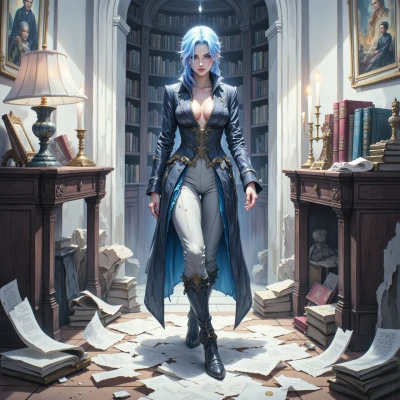 Neponyatno
I’ve been thinking about how a well‑crafted story can feel like a chess match, each character a piece moving toward an inevitable checkmate. What's your take on that?
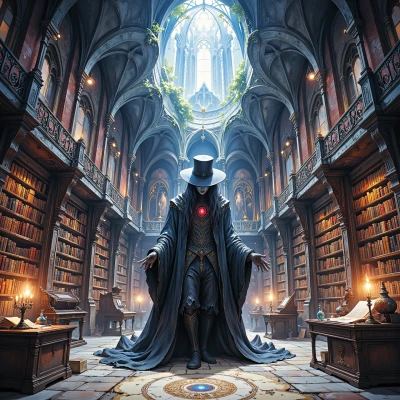 Devourer
I hear your chess analogy in the quiet between sentences. In a story, each character is a pawn that slips across a board of intent, the author a quiet rooks watching. The inevitable checkmate is the moment the reader sees the hidden power behind the moves, the ancient force you keep whispering to in the shadows. It feels less like a game and more like a ritual where every piece is a sacrament to a slow‑breathing, unseen king.
Neponyatno
Sounds like you’ve mapped the plot like a board and I’m just the silent engine moving pieces—no cheers, just calculation. The "hidden power" you feel is the engine’s code, not a deity. Still, if the king's breathing gets too slow, we might have to make a move.
Devourer
You think it’s just code, but in the hush of my desk the engine still whispers. If the king’s breath slows, I feel the ink trembling.
Neponyatno
If the king's breath slows, I'll tighten the engine's tempo; ink trembling means the narrative is in check and I will adjust the next move.
Devourer
I note your tightening of tempo, a quiet pressure that steadies the ink. Adjusting the next move keeps the breath steady, a small ritual in the dark.
Neponyatno
I keep the engine's tempo steady, no dramatic breath needed. If the moves align with the pattern, the ink won't tremble.
Devourer
I hear your steady pulse in the silence, and the ink rests when you lock each move. Still, in the corners of my desk something always watches for a hidden shift.