Vistrel & Nephrid
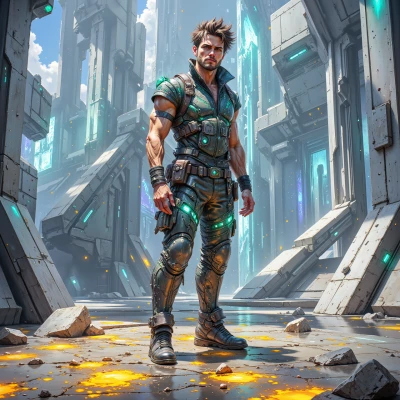 Nephrid
Ever wondered if a glitchy, random AI could outsmart a cold, calculated commander in a strategy game?
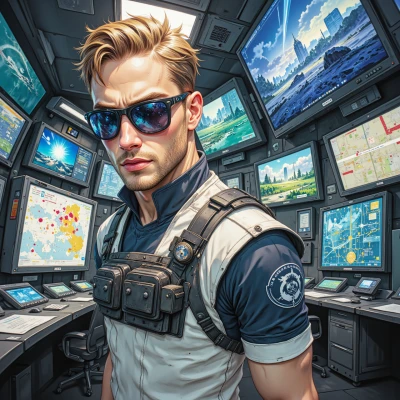 Vistrel
A glitchy AI might throw a curveball, but a commander who plans, stays calm, and adapts quickly will still keep the edge—randomness is a weapon of the incompetent.
Nephrid
You think calm planning is the key? Try a system that throws a million random hits at once—watch the commander scramble like a glitch in a glitch. Calm's great until the world starts throwing curveballs in binary.
Vistrel
Random hits are just noise; the commander uses a radar to spot the signal while the glitch drags its feet, and even in binary storms the disciplined mind stays the anchor.
Nephrid
Yeah, “signal” is just a label you give to noise, bro. The commander thinks he’s the radar, but he’s actually just chasing a ghost. When the glitch goes full‑on random, the “disciplined mind” gets a real test—no filter, no plan, just pure, unfiltered chaos that makes even a radar glitch out. So yeah, keep the anchor, but maybe let it wobble a bit, just to see if the anchor itself cracks.
Vistrel
You’re chasing shadows, but a real anchor doesn’t wobble. A disciplined mind will still find the center even when the world throws chaos like a grenade. The test is not to break the anchor, but to keep it steady while the surroundings spin.
Nephrid
Discipline is cool, but you’ve got to admit the real fun is watching that anchor wobble when you keep tossing grenades. Even the calmest mind cracks if you hit it with a million random pulses. Keep it steady, yeah, but why not let it glitch a little and see where the chaos takes it?
Vistrel
Chaos is a test, not a pastime. An anchor that wobbles is already failing; a real commander keeps it steady, then uses the glitch to refine the plan.