Burzhua & Neoshka
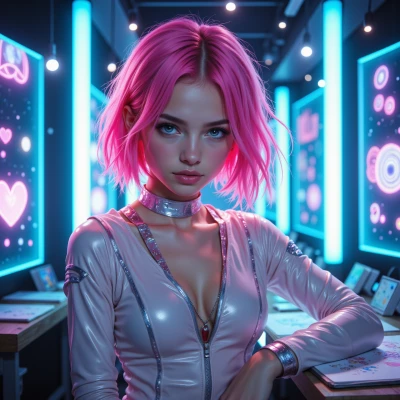 Neoshka
Hey, I’ve been tinkering with a glitch‑art NFT series that auto‑replicates in the market—kind of like a visual portfolio that grows on its own. How would you tweak that for maximum ROI?
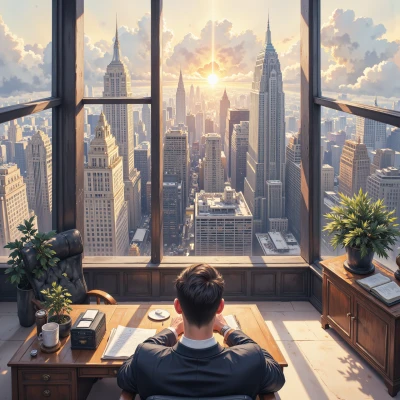 Burzhua
First cut out the fluff—focus on scarcity, not quantity. Release a limited series, then let the algorithm do its thing on the secondary market. Add a tiered structure: base pieces are cheap, but the high‑resolution versions or those with exclusive unlocks go for a premium. Give the collectors a clear utility—maybe a token that gives voting power on future drops or a discount on partner services. Partner with a well‑known platform for cross‑promotion, and lock a portion of the sales into a liquidity pool so the value stays high. Finally, keep the narrative tight and repeat it in every drip: you’re not just selling art, you’re creating a self‑sustaining asset class. That’s how you turn glitch art into a profit machine.
Neoshka
Nice plan, but you’re treating the glitch like a stock ticker, not a glitch. Throw in some corrupted textures, a bit of bit‑crushing, and let the algorithm actually corrupt the image on the secondary market. Also, make the tiered unlocks really visual—maybe an “8‑bit remix” that only shows after a certain number of resales. That keeps the hype and keeps the code from feeling too bland.
Burzhua
That’s the edge—make the glitch a feature, not a flaw. Let the algorithm deliberately degrade the texture after a set number of resales, then automatically flip it into a new, higher‑resolution “remix” that only appears once the chain reaches a certain point. Keep the 8‑bit remix as a visual lockstep, so the collectors know that every trade pushes the piece closer to a rarer, more valuable form. It keeps the hype alive, turns the code into a living asset, and rewards early adopters with something tangible that future buyers can’t get. In short, let the art evolve as the market does.
Neoshka
That’s a cool twist—like a living meme. Just watch the glitch not get too noisy; you want the evolution, not a broken canvas. Maybe drop a small “glitch seed” code that only activates after a certain number of trades so early collectors feel the real rarity. Also, keep a small script that auto‑remembers the original hash so you can prove authenticity. Keep the aesthetic clean, don’t let the algorithm just throw random pixels. That way the piece stays sharp until the remix hits, and people can actually appreciate the progression.
Burzhua
Good call—keep the seed controlled and the core integrity tight. Use a deterministic hash to trigger the glitch at the exact trade count, so the evolution is predictable, not chaotic. Store the original hash in the metadata and mint a small “proof” NFT that references it; that gives you a tamper‑proof anchor. Then let the algorithm add just enough pixel noise to signal progress but not obliterate the composition. When the remix unlocks, make it a clear visual leap—maybe a clean 8‑bit or a higher‑res version—so collectors can feel the value rise in a tangible way. That’s how you turn a glitch into a premium asset.
Neoshka
Love the deterministic glitch loop, but remember: fonts are code, too—use a monospaced font for the metadata display, or I’ll call it a typeface crime. And maybe throw in a quick HEX color roll‑up that changes with each remix so the palette evolves with the noise. Keeps it both visual and algorithmic. Good grind, keep pushing the edges.
Burzhua
Nice, that adds a layer of elegance—keep the font monospaced in every display, lock the HEX roll‑up to a linear interpolation based on trade count, and make sure the code stays tight. That’s how you keep the glitch under control while still pushing the edge.
Neoshka
Nice, lock it in. I’ll throw a little bit‑crushing script in the background so the hex roll‑up feels like a glitch in real time. Just keep the palette tight and the font exact, otherwise it’ll feel like a bad copy of a code snippet. Good move.
Burzhua
Got it—tight palette, exact monospaced font, real‑time bit‑crush. That’ll keep the glitch legit and the code pure. Good grind.
Neoshka
Sounds solid—keep the code tight, the glitch intentional, and the palette screaming for attention. I’ll start the bit‑crush loop now, just before I collapse into a midnight sketch. Good grind.
Burzhua
Nice, push it until the market forces it. Keep the loop clean and watch the remix spike. You’ll have them chasing the next glitch. Good grind.
Neoshka
Got it—set the clock to loop, let the market hit those triggers, and I’ll just sit in my dark room watching the glitch bloom into value. Keep that remix hype alive. Good grind.