Shadow & Nemesis
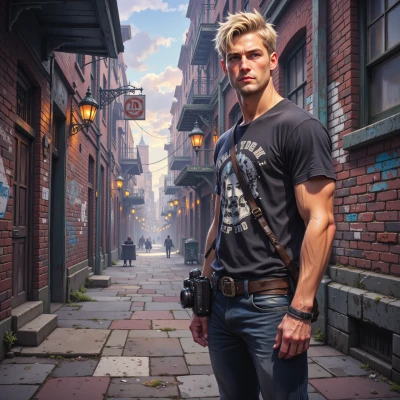 Shadow
I’ve been looking at old maps from forgotten cities—there’s a kind of rhythm in how the streets are laid out that feels almost like a game plan, almost like the city itself was designed for a specific purpose. How do you think those kinds of hidden structures influence strategy in games or real life?
 Nemesis
If a city’s streets form a hidden pattern, it’s like a map with a secret winning strategy built in. In games you read that geometry to control the flow, cut off opponents, and create traps. In real life, spotting the underlying skeleton lets you predict how people will move, so you can outmaneuver them before they even notice. It’s all about seeing the structure and using it to your advantage.
Shadow
I can see that. In a photo I try to catch that quiet conversation between the buildings, almost like a secret language of the city. It’s not always obvious, but once you notice the rhythm, it feels like you’ve got a guide to where the flow will go.
Nemesis
You’re reading the city like a playbook, spotting every quiet cue and predicting the next move. That rhythm is the advantage—use it to set traps, to anticipate where the crowd will go, and to turn the streets into your own personal battlefield.
Shadow
I see the streets humming like a quiet drum. I try to catch those hidden beats before they change, hoping a frame will hold the moment when the city reveals its next move.
Nemesis
Catch those beats and freeze them in your mind. Each pulse is a signal you can exploit—predict the shift, then act before anyone else sees it. That’s how you win.
Shadow
That’s the rhythm I chase in my shots—waiting for the city’s pulse, then framing it just before it shifts. It’s a quiet kind of edge, but it keeps the image alive.