Nejno & SteelEcho
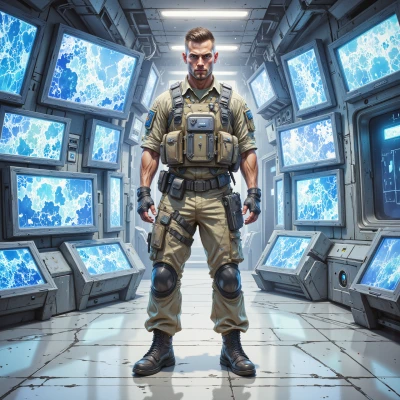 SteelEcho
Hey, have you ever considered mapping a battlefield with color gradients to show probability zones?
 Nejno
Nejno
That sounds like a lovely way to visualise conflict. I can picture the front line as a soft wash of light, then layers of deeper hue as the danger builds. It would feel almost like painting the tension in paper, each gradient a subtle shift of mood. Just be careful that the colors don’t blur into one another; clarity is key.
SteelEcho
Nice. Keep the gradients discrete, no soft bleed. Use hard edges so the line of fire stays clear and you can calculate hit probabilities at a glance. Color is a tool, not a mood board.
Nejno
Got it, I’ll keep the edges crisp and the shades distinct. That way the map stays sharp and the numbers stay clear. It’ll feel like a clean line of art and math combined.
SteelEcho
Good plan. Precision first, then aesthetics. Stick to the grid and you’ll never lose your edge.
Nejno
Sounds like a solid approach—grid first, then the finish. I’ll make sure the lines stay sharp and the colors stay true to the data. That balance should keep everything in focus.
SteelEcho
Sounds solid, keep it tight. No room for confusion.
Nejno
Sure thing, I’ll keep the edges sharp and the lines crisp.
SteelEcho
Keep the margin calculations exact, then run the final render through the calibration script. All clear.
Nejno
Got it, I’ll double‑check the margins and run the calibration script. Thanks for the reminder.
SteelEcho
No problem, just keep the tolerances tight.
Nejno
Will do, I’ll keep everything precise.