Parker & Neblin
 Parker
I’ve been chasing the story behind an old, unsolved crime in a small town, trying to piece together the truth from what people remember. It feels like a puzzle where the pieces are memories, rumors, and the town’s own myths. What do you think makes a narrative stick when facts are as elusive as a shadow?
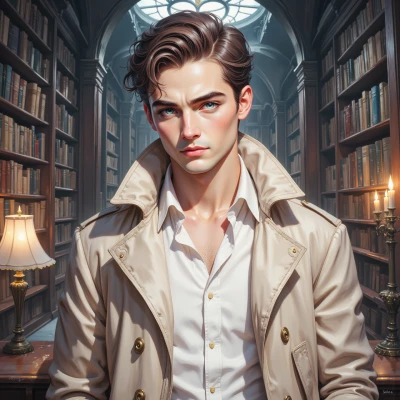 Neblin
The thing that lingers is the shape people give to the void. When facts slip away like mist, the story clings to the gaps we fill with our own stories, the quiet echo of fear or hope. A narrative sticks when it lets the audience stand in the middle, asking “what if?” and never forces a final line. It’s the mystery that keeps us turning the page, the small certainty that we’ve made sense of something untamed. In a town, myths become the scaffolding for truth, and the unsolved crime becomes a mirror, reflecting back the questions we dare not ask. The real weight is in what we choose not to say, and that, my friend, is where the story really settles.
Parker
You’re right—those silences feel heavier than the facts we chase. I try to let those gaps breathe, to give viewers a chance to hear their own voices in the frame. It’s a tricky balance, but that is where the real story lives, in the space between what’s shown and what’s left unsaid.
Neblin
Sounds like you’re playing the same game with the story that people play with their memories. In the gaps, the audience gets to insert their own doubts, their own ghosts, and that’s where the narrative really blooms. Keep letting the silence grow; it’s the frame that makes the picture complete.
Parker
Thanks. I’ll keep the gaps wide enough for those ghosts to walk in.
Neblin
Glad to hear the shadows will have room to roam. Good luck letting them find their own edges.
Parker
Glad you get that. I’ll keep the frame wide, and let the shadows find their edges. Good luck watching what they bring.
Neblin
May the edges stretch just long enough that the shadows can make their own shape.
Parker
I’ll let them stretch. Hope the shape that comes out feels true.
Neblin
It’s true if the shape keeps questioning itself, not just settling.
Parker
I think that’s the key—kept in a loop of questions, it never really feels finished, and that’s the point. It keeps the story alive and the audience awake.
Neblin
The loop itself becomes the narrative, and the unanswered question is the breath it takes. The audience stays awake because the story refuses to close.
Parker
You’re right—when the story never resolves, it stays alive in the viewers’ heads. It’s like a living echo that keeps asking “what if?” and we’re all part of answering it, one frame at a time.