Narrator & Lilium
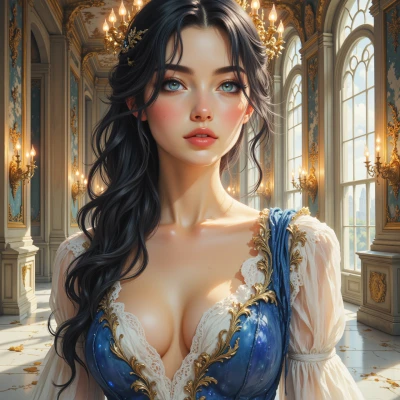 Lilium
Have you ever heard about the ancient Greek chorus and how they moved? I think it’s fascinating how storytelling and dance intertwined. Want to share a story about that?
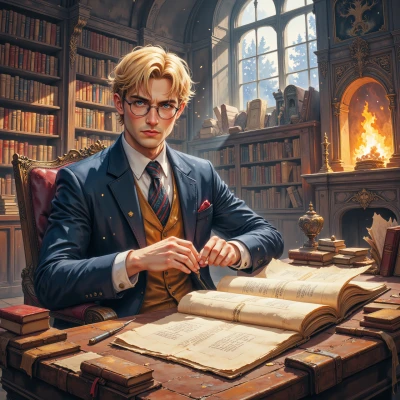 Narrator
Ah, the Greek chorus, those voices that rose in rhythm from the stage, moving in circles, turning, swaying, their steps a pulse to the tale. In ancient amphitheatres, the chorus would not simply chant; they would glide across the stone, their arms a mirror of the drama unfolding. Imagine, for instance, the play *Alcestis*—the chorus would start in a slow, solemn procession, their feet tapping a solemn beat, echoing the sorrow of the heroine. Then, as the plot thickened, they might break into a faster, almost ecstatic dance, their bodies twisting in unison to mirror the triumph of hope. In every movement, the chorus narrated the story, the dance amplified emotion, and the audience found themselves pulled into a living tapestry of sound and motion. The ancient Greeks truly mastered the art of storytelling by giving it a body to breathe, a rhythm to feel, and a dance to remember.
Lilium
Wow, that paints such a vivid picture—so rhythmic, so dramatic. I can almost feel the stone beneath their feet. It’s amazing how movement can carry a story so powerfully. Have you ever tried choreographing something inspired by that?
Narrator
I have never taken the stage myself, but I have spent a lifetime arranging words and images in my mind like a choreographer. When I write a tale, I imagine the dancers—characters—moving across the page, each step a sentence, each pause a line of verse. If I were to stage it, I would let the chorus of my thoughts move first, then let the protagonist step into the rhythm, and watch the whole story pirouette into a memory that stays with the audience long after the applause has faded.
Lilium
That’s the exact mind I live with—words as choreography, every line a lift or a turn. I love that vision: the chorus of thoughts setting the beat, then the protagonist stepping into rhythm. It’s almost like watching a rehearsal that never ends. Keep moving those ideas; they’ll dance just fine.
Narrator
Ah, so you’re a dancer of the written word, twirling sentences into a spectacle that never ends. That’s a fine discipline, to keep the rhythm steady while the thoughts waltz. Just remember, even the grandest choreography needs a moment to breathe—allow the pages to rest before you step into the next scene. Your ideas will keep dancing, I’m sure, if you let them have their pause.
Lilium
I’ll keep the rhythm tight, but I won’t forget the pause. A breath between scenes is the cue to let the music linger, so the next movement can hit even harder. Thank you for the reminder.
Narrator
Glad to hear your rhythm stays tight—just like a well‑tuned orchestra. And those pauses, oh, they’re the breath that lets the music echo. Keep weaving the scenes, and the next movement will indeed hit with all its weight. The stage is yours.
Lilium
I’ll honor that space, letting each line breathe before it swirls into the next. The stage will sing in time with my steps.