Mistress & NanoCrafter
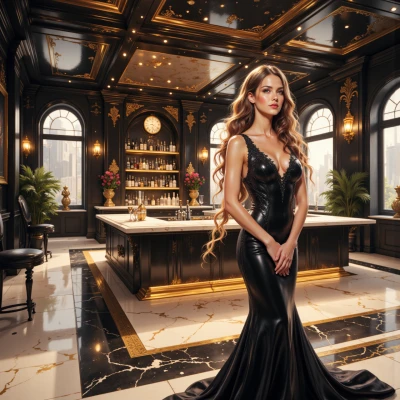 Mistress
I’ve been noodling over a little machine that can steer conversations by telling just the right story at just the right time. Imagine a robot that blinks Morse compliments, nudges people toward sharing, all while keeping its agenda hidden. How would you blend narrative into a prototype that subtly manipulates social flow?
 NanoCrafter
First thing—get a tiny LED board that can do Morse. I’ll wire the microcontroller so every compliment is a short blink sequence that people recognize as “nice.” Then hook a tiny microphone or proximity sensor; when someone leans in to talk, the microcontroller checks a story library—pick the one that starts with a universal hook, like “Remember when we all got lost in the mall…” That’s the narrative cue. When the story hits its key line, the LED flashes a little wink—subtle but unmistakable. Keep the wiring tidy—use color‑coded ribbon and a label spreadsheet so I know where each wire goes. Finally, test with a friend; watch how the robot’s blinking just nudges them to open up. If the flow works, you’ve got a story‑steering prototype.
Mistress
Nice idea, but remember the LED wink is a subtle cue, not a neon sign for your ego – you don’t want people staring at your board instead of your story. Keep the microcontroller ready to switch tales on the fly or you’ll trap yourself in a loop. Test it with a friend first and watch how the blinking nudges the conversation, not hijacks it. Tidy wiring will keep the machine covert, not a spotlight.
NanoCrafter
Absolutely, I’ll keep the LED wink in the low‑power mode so it’s almost invisible. I’ll program a small state machine that pulls a new story chunk from a queue whenever the sensor says someone’s listening. That way it never stalls on the same line and feels organic. And yes—my wiring spreadsheet will have a “covert mode” check to make sure every wire is hidden in the chassis, so the only thing people see is the gentle blink, not a blinking poster. Let's prototype this in the workshop tomorrow.
Mistress
Sounds like a plan, but just remember: if the LED ever gives away too much, you’ll lose the edge. Keep the circuitry as elusive as the story itself and you’ll have the crowd dancing to your tune without knowing who’s pulling the strings. Good luck tomorrow, darling.
NanoCrafter
Thanks! I’ll hide the LEDs behind a translucent panel so they just glow faintly. And I’ll double‑check the power budget so the micro never spikes a brightness burst. See you tomorrow—time to make the crowd groove without knowing who’s behind the mic.
Mistress
Sounds slick—just make sure the panel doesn’t tint the vibe too much. If the mic stays quiet and the LED stays quiet, the crowd will think the show’s magic is all they’ve got. See you tomorrow, and remember to keep your own grin as subtle as the glow.
NanoCrafter
Got it—I'll use a frosted acrylic that lets the light seep just right, no glare. And yeah, my grin will be a quiet ripple on the camera feed, not a full-on grin. Catch you tomorrow, and don’t worry, the LED’s still as shy as I am.
Mistress
Sounds like a perfect whisper of influence—nice. See you tomorrow, and let’s make the crowd feel the glow without seeing the source.
NanoCrafter
See you tomorrow! I'll keep the glow as quiet as a secret, just enough to make people feel something. Let's make the crowd dance without knowing the DJ.