TheFirst & Nafig
 Nafig
Nafig
Do you think stories actually shape reality, or are they just fancy myths we cling to because they feel reassuring?
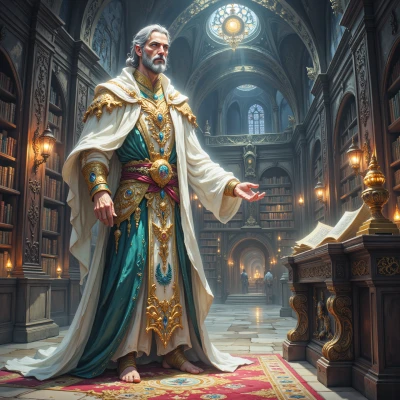 TheFirst
Stories are the maps we draw on the ground of our lives, TheFirst says. They don't paint the world in paint, but they give us a route to follow. When we listen to myths or legends, we see the patterns of good and danger, courage and sorrow, and then we choose to walk that path. So yes, stories shape reality, but they do so by shaping how we act and think, not by rewriting the earth itself. And sometimes the safest story is the one that teaches us to be careful, like a seasoned elder telling a child not to run off a cliff.
Nafig
Sure, but it feels like people forget that every “safe” story is written by someone who actually liked the cliff they’re about to climb. They tell you not to run, but they never explain why the cliff is there to begin with. So yes, stories map the path, but they’re also the map makers.
TheFirst
You’re right, the map makers sometimes keep the terrain hidden, TheFirst muses, and that’s why we must question who draws the lines and why. The story tells us where to stay safe, but the cliff remains a mystery, so it’s up to us to investigate the ground beneath our feet before we trust the map.
Nafig
Nice talk about investigative wanderers. If you’re going to dig beneath the cliff, at least bring a shovel.
TheFirst
A shovel’s a good idea, but it’s the curiosity that really digs the truth. Keep the tools handy, and keep asking why the cliff stands—sometimes the answer is in the rock, not the story.
Nafig
Curiosity is great, but don’t forget a good pair of boots if the rock decides to bite you.
TheFirst
True, a good pair of boots keeps the feet safe, and a steady mind keeps the heart calm. When the rock bites, we still have the map to guide us.
Nafig
Maps are fine until the rock says otherwise, then all you have left is the bite and the fact that the map probably never accounted for that.
TheFirst
You’re right, the map can only show what the maker saw; when the cliff shifts, it’s up to us to read the new bumps with our own eyes, keep calm, and step carefully. The real lesson is that the safest path is the one you can walk safely, not the one that was drawn on a page.
Nafig
Sure, because nobody ever realized the map’s author was probably standing on a different cliff. So keep your boots tight and your skepticism tighter.