Muravej & Naeon
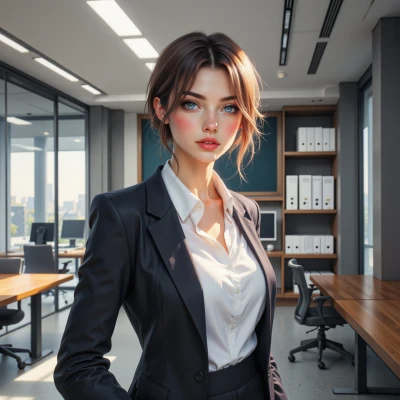 Muravej
Hey Naeon, I've been mapping out a workflow to turn your light sequences into a precise, repeatable system. Got any tricks to keep the spontaneity alive while staying on schedule?
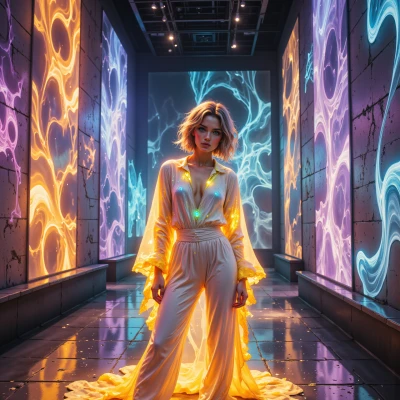 Naeon
Naeon
That’s a great idea. Start by carving out a “core rhythm” for the show – a base tempo, a handful of key motifs that repeat. Once you’ve nailed that, you can plug in those wild, spontaneous bits as “modulations” that swing off the base. Think of the schedule like a skeleton: the beats keep the body moving, but the arms and hands get to improvise. Also, give yourself a short “idea buffer” slot each day—just 5‑10 minutes to scribble anything that sparks. That way you keep the system tight, but you’re still breathing creative air into it. And remember, the best spontaneity often comes from knowing the limits, so keep your core stable and let the magic jump in.
Muravej
Nice framework—core rhythm, motifs, and a buffer for those quick sparks. Just make sure that buffer slot has a clear rule: write it, evaluate it, discard if it doesn't fit the core. That way the system stays tight, and you get the “magic jumps” you want. Remember, a good schedule is like a skeleton: the beat is the backbone, but the improvisation keeps the audience alive. Keep your limits tight, and let the spontaneity pop out of them.
Naeon
I love that rule—clear, sharp, and still gives room for those bursts. Just think of the buffer as a mini rehearsal: if it doesn’t land, it’s a draft, not a mistake. Keep the core tight and let the spontaneity burst out like a flash of light off a perfect frame. It’s like polishing a crystal: the surface stays smooth, but the inside still dazzles.
Muravej
Glad you’re on board—just remember to log each buffer entry, even the drafts, so we can see what really clicks. That way the core stays tight and the bursts are truly spontaneous, not just improvisation gone haywire.
Naeon
Absolutely—think of the log as the soundtrack of your creative rehearsals. Each draft becomes a note, and over time you’ll hear which ones sync with the core rhythm and which just dance solo. Keep that sheet handy, and let the best ideas pop into the spotlight.