Mutagen & Manticore
 Mutagen
So, I've been tinkering with a gene‑splicing protocol that could literally give a person a second skin—something that shifts on demand to handle heat, pressure, or even toxic gases. Think of it as a living, instant adaptive armor. What do you think, would a bit of bio‑engineering like that replace the old‑school “strap on a pack and sprint” survival kit?
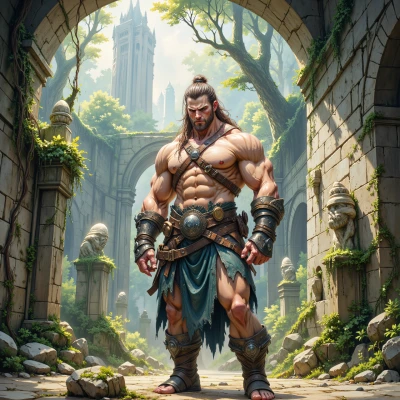 Manticore
Nice idea, but this ain’t the end of the line for packs. Bio‑armor’s cool, but you’ve gotta consider a glitch or a power failure in the middle of a canyon. Stick with a pack, at least until the tech can survive a bad patch. The old gear’s tried, tested, and you can always ditch it mid‑storm. If you’re gonna gamble on biotech, make sure it’s as rugged as a knife in a blizzard.
Mutagen
I hear you, but the idea isn’t about replacing the pack—it’s about augmenting it. Imagine a bio‑armor that can heal its own micro‑cracks when the power dips, or a self‑sustaining system that draws heat from the environment. If we get the redundancy right, the “glitch” becomes an opportunity for the living material to reconfigure. Still, I’ll run the worst‑case simulations—nothing worth a future generation of explorers is left to chance.
Manticore
I get the appeal, but still, a living suit that’s supposed to fix itself when the power craps out? Sounds like a gamble. Even the best tech gets fried in a storm. If you’re gonna trust it, make sure the backup is as solid as a steel pack. I’ll keep my gear ready and my instincts sharp—no fancy armor will stop me if I’m out in the wild.
Mutagen
You’re right—no one wants a suit that goes kaput on a storm. That’s why I’m building a fail‑safe that uses a secondary bio‑fuel source, a tiny algae reactor that kicks in when the main power dips. Think of it like a backup battery, but it’s literally part of the organism. Still, I’ll keep a steel pack in the lab just in case. Science needs a safety net.
Manticore
Sounds tight, but remember algae runs slow. If the storm hits fast, that backup might still be a step behind. Keep that steel pack humming—might as well have a fallback. Just don’t let the fancy stuff make you ditch the basics.