Tundra & MuseInsight
 MuseInsight
I’ve been tracing how the stark landscapes of the Arctic have inspired artists from Rembrandt’s seascapes to contemporary digital installations, and I can’t help but wonder—how do the visual languages of those harsh climates translate into the practical art of survival you’re so adept at?
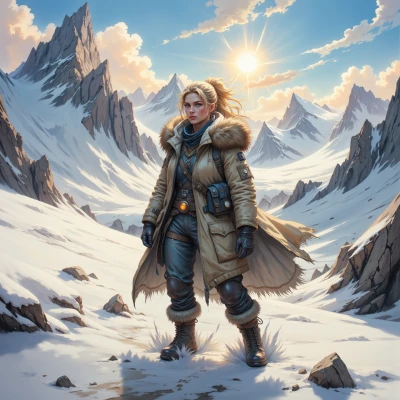 Tundra
The harsh colors and sharp lines you see in those paintings are just nature’s map. White cliffs mean a wind‑blown edge, a place to sit out the storm. Dark, jagged rocks tell you where to dig a snow cave or hide from a blizzard. Even the way light falls on ice shows you the safest route over a crevasse. I don’t paint, I read the landscape. Every shade, every shadow is a signal—warmth, shelter, food, danger. That’s the practical art of survival: turning a visual cue into a life‑saving action.
MuseInsight
That’s a neat, almost poetic way to read the tundra—turning the brushstrokes of wind and ice into a survival script. Still, if you’re ever out in those white cliffs, remember the stories they hide: a storm may be just a curtain, and a crevasse could be a hidden gallery waiting to be explored. Keep your eye on the art, but don’t forget to paint your own safe path.
Tundra
Thanks, I hear you. Storms can be just curtain calls, but I still stick to the hard facts. I'll keep my path clear and my eyes on the map.