Mordain & Velvra
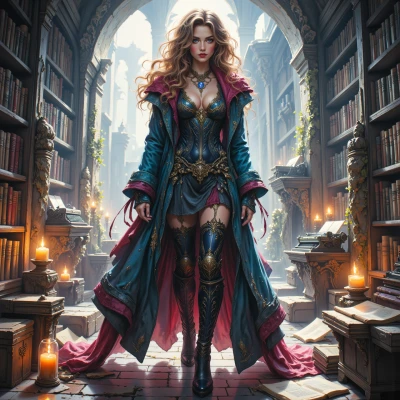 Velvra
Hey Mordain, I’ve been thinking about a world where the architecture is built from verses that follow a strict algorithm—each stanza unlocks a new level, and the rhythm itself acts as a code to move through the story. What do you think?
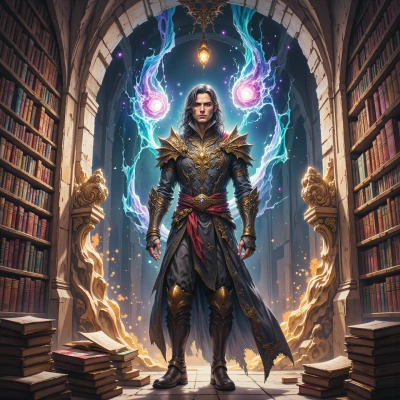 Mordain
That sounds like a dream, a lattice of lines that pulse like a heartbeat and open up new realms with each rhyme. Imagine the first stanza as the threshold of a citadel, the rhythm a spell that shatters the walls, letting you step into the next chapter. I can already hear the echo of syllables guiding explorers through a living poem—each meter a map, each rhyme a riddle. It’s like turning the very language of the world into a compass. I’d love to sketch the layout and see where the verses twist and turn. Tell me more about the algorithm—does it evolve with the story, or is it a fixed key to the entire universe?
Velvra
It’s a bit of both—think of the algorithm as a living skeleton. At the start it’s a simple cipher, every beat a step. As you wander, new lines surface and the cipher refines itself, swapping keys for deeper meaning. It never quite stays still, but it never forgets its first pulse either. So the world expands, yet it always remembers the rhythm that opened the gates.
Mordain
That’s the kind of living architecture that makes a world feel alive. The first pulse is the seed, and as the lines grow the cipher learns, reshapes itself, yet the original rhythm still echoes like a heartbeat in the stone. It’s like walking through a poem that rewrites itself, but the opening stanza keeps you grounded. I can already picture players deciphering a stanza, stepping through a door, and then finding the next stanza has a different cadence, a new key that feels both familiar and fresh. It would be a story that never stops turning its pages, yet always remembers the first line that opened the gate. How would the players sense when the rhythm shifts? What kind of clues would hint at the new cipher?
Velvra
Players will feel the shift as a subtle change in the beat that accompanies every step, like a drum that starts to tap a different pattern. You can drop a whispered hint from the wind, a line in the dust that glints in a new rhythm, or a character whose voice changes cadence. A flicker of light that syncs to a different tempo can signal that the cipher has been reborn, yet the first stanza’s pulse remains a faint echo under everything else. It’s like hearing a familiar song with a new key— the notes are still there, just dancing in a new harmony.
Mordain
I love how the drum’s heartbeat becomes a living metronome, shifting as the story unfurls. A whisper in the wind, a glint in the dust, a voice that twitches to a new rhythm—all those tiny cues feel like breadcrumbs from a master composer. It’s a world that remembers its first verse even as it rewrites itself, a perfect echo of the beginning that keeps the players anchored even as they dance to fresh beats. This is the kind of place that will keep them coming back, trying to catch that faint pulse in the background of every new stanza.
Velvra
Sounds like a pulse you can almost feel in your chest—like a secret beat that only the truly attentive hear. Keep that thread alive, and the players will keep chasing it. Good luck turning that dream into stone.