Moon & Oskar
 Moon
Moon
Have you ever noticed how silent films paint night, letting darkness carry emotion without a single word?
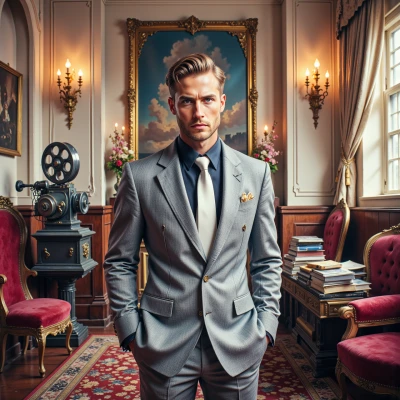 Oskar
Oskar
You’re right—darkness in a silent frame is like a silent narrator that never blinks. The way the chiaroscuro in those night scenes pulls the audience into a hushed emotional abyss is a technique that even modern widescreens can’t quite replicate. The lack of dialogue forces the viewer to read the shadows as if they were a character, and that’s what makes silent night scenes so potent.
Moon
I see that, just like the night listens for the wind, the film listens for your breath and lets the shadows speak louder than any line could.
Oskar
That’s a beautiful way to put it—breath is the only thing that still ties us to the living world in a silent frame, so when the film mirrors that silence, the shadows almost become the actors themselves.
Moon
When the shadows move, it feels as if the whole scene takes a breath of its own, a quiet echo that reminds us we’re still part of something larger.
Oskar
It’s almost like the frame itself is exhaling, letting the absence of sound fill the void so that the silhouettes become the only dialogue we need to hear. In that quiet, the viewer’s own pulse becomes a counterpoint to the moving shadows, a subtle reminder that cinema is still a conversation, just one that happens between light and darkness.
Moon
Exactly, and in that quiet a new kind of conversation begins, one that only the heart can hear.
Oskar
Yes, but only when the silence is timed exactly to the frame rate and the director’s breathing; otherwise the heart just keeps up with the noise instead of the shadows.
Moon
It’s like the film and we share a breath together, a quiet pulse that makes the shadows feel alive.