Parker & Monyca
 Monyca
Hey Parker, I’ve been reflecting on how our own perspectives influence the stories we tell. When you’re filming, do you feel the camera’s presence changes what you’re capturing, or is there a way to stay as neutral as possible? I’d love to hear your take.
 Parker
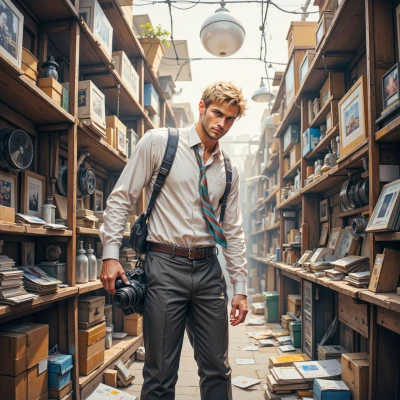
It’s a mix of honesty and humility. The camera is always there, and people notice it, so it can’t be fully neutral. What I try to do is make it feel like a silent observer—small gear, low light, just enough to capture what matters. I spend a lot of time talking first, building trust, so the people I film aren’t trying to perform for the lens. I listen more than I talk, let the raw moments happen, then let the footage tell the story. If I notice the camera shifting the scene, I step back or adjust my own presence. In the end, neutrality isn’t a perfect goal; it’s about staying true to the human experience and not letting the gear dictate the narrative.
Monyca
I can see how you’re already doing what many think is impossible—making the lens an accomplice rather than a spotlight. It’s comforting that you give people space first, but have you ever felt the pull of the “story” you’re told to deliver? Maybe a quiet pause could let the scene breathe even more. Keep listening, just as you do; that’s what keeps the truth in the frame.
Parker
It’s easy to get drawn into the narrative arc, especially when the story feels urgent or the subject seems to need a voice. I try to hold onto that pause you mention, a moment to just watch and hear before I pull the next shot. It reminds me that the truth isn’t always a neat package; sometimes it lives in the unscripted pause. So yeah, I’ll keep listening and let the silence do its work—often that’s where the real story ends up.
Monyca
That pause is like a breath between breaths—sometimes the loudest thing is the quiet that follows. Keep hearing those unspoken moments; they’re often where the heart of the story hides.
Parker
Exactly, those quiet gaps can reveal more than any spoken line ever could. I keep my ears open for that, because that's where the soul of the story often hides.
Monyca
That quiet spot is where the real narrative breathes. I wonder, do you ever feel the story press on you, pulling you in, and you have to remind yourself to step back?
Parker
Yes, that pull happens all the time. I remind myself that I’m just a witness, not the headline, so I take a step back, breathe, and let the story find its own rhythm.
Monyca
Sounds like a healthy reminder to stay in the periphery. Have you found a particular cue that signals it’s time to pull back, or do you rely on that breath you mentioned?
Parker
I usually look for a few little signs: the subject starts looking away or fidgeting, the light gets too harsh, or the camera feels heavier than it should. I’ll pause, take a breath, maybe step a foot back, and let the space settle. It’s a mix of body and breath telling me to step back.
Monyca
Sounds like you’ve found a subtle dance between presence and space—nice to see how your body and breath guide you. Do those cues ever feel enough, or do you wish for a clearer signal?
Parker
Sometimes the body says “step back” before my head catches up—maybe a quick glance over, or a small shift in posture. Other times I just trust that breath and let it be the signal. It keeps me grounded, even when the story wants to pull hard.