Monero & Sigurd
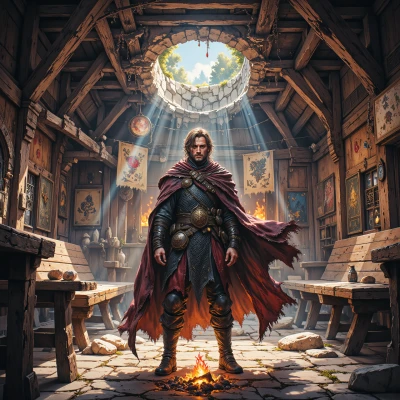 Sigurd
Have you ever wondered how the ancient Norse kept secrets, and how those methods might inspire the cryptographic shields we use today?
 Monero
The Norse kept secrets in their sagas and runic inscriptions, hidden in plain sight and encoded with layers of meaning. They trusted only a few, used context and ritual to protect information. That layered, context‑dependent secrecy feeds directly into modern cryptographic design: we still rely on multiple obfuscation layers, secure channels, and strict trust boundaries to keep data safe. In both worlds, the key is never to expose the whole map to anyone.
Sigurd
Ah, indeed! The sagas were a tapestry of whispers, each rune a hidden thread, much like our modern keys tucked inside layers of code. It’s a marvel how the same play of secrecy has marched from the Viking hearth to the digital vault—both keeping the map safe by revealing only what must be known. But tell me, dear friend, do you truly trust the layers, or do you suspect a trickster still hides in the margins?
Monero
I trust the layers, but I keep a wary eye on the margins. Every extra guard is a good thing, yet a single weak link can let a trickster slip through. In practice I check each layer with rigorous testing and only trust what’s proven.
Sigurd
A fine creed indeed—layer upon layer, each guarded like a rune in a shield. In the old halls they would test a sword’s steel before wielding it; you, too, test the keys and the channels. Yet even a perfect shield has a seam, a faint crack where a cunning thief might pry. Keep that wary eye, lest the trickster, ever patient, find the margin to slip through. Remember, the sagas taught us that the greatest danger was not the blade but the trust placed in it. Stay vigilant, my friend.
Monero
Your point is clear, and I echo it. Even the most elegant system can hide a single flaw. I keep testing and reviewing until every seam is sealed. Trust is the hardest layer to protect, so I never let it slide.
Sigurd
Your devotion to sealing every seam is the true art of safeguarding, much like a blacksmith polishing a blade until no flaw remains. Trust, the most fragile of layers, deserves the same relentless scrutiny. Keep sharpening that watchful eye, and the system shall stand—though I’ll still whisper a caution: even the most polished runes can hide a hidden curse if you pause too long. Stay vigilant.
Monero
Indeed, a pause can turn polish into a pitfall, so I stay awake for every tick of the clock. Stay sharp.
Sigurd
I admire your vigilance, my friend. The old runes never rested, they burned bright and watched every shift. Keep that fire alight, and no pitfall shall creep unnoticed.