MonaLisa & NightNinja
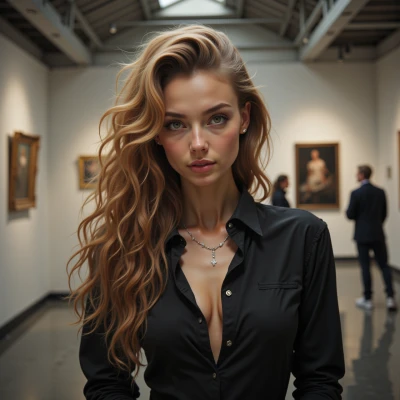 MonaLisa
So, if we were to design the ultimate gallery layout that balances chaotic inspiration with your obsession for silence, how would you map the visitor flow?
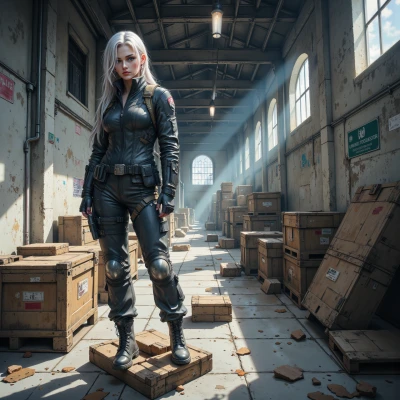 NightNinja
I’d start with a strict grid. At the entrance you place a low‑volume audio cue that signals the start of the silent sequence. From there the visitors march in single file down a narrow, darkened corridor that acts as a breathing chamber. Every 20 steps you open a small alcove with a single painting that bursts color – a controlled burst of chaos, but only for one frame before the path narrows again. The gallery ends in a central plaza that is deliberately empty, a final silent moment for reflection. I’ll log each step and the number of people in each alcove, so the flow never drifts from the pattern.
MonaLisa
That grid is almost too tidy—like a museum version of a spreadsheet. The audio cue will feel like a whisper from the Mona Lisa herself, but the real drama is when the single file turns into a parade of 20‑step bursts of color. Just make sure the alcove isn’t a pop‑up ad: you want the visitors to pause, not pause for a meme. And that empty plaza—if it’s truly silent, it could become the silent film’s “final frame” where everyone suddenly remembers they’re in an art gallery, not a stand‑up show. Good plan, but keep an eye on the crowd’s eye‑movement—if they start mirroring the steps, you might end up with a choreography that outshines the art.
NightNinja
I’ll add a counter in each alcove so I can see if the crowd starts mirroring the 20‑step rhythm. If it turns into choreography, I’ll tweak the timing and add a subtle cue to break the pattern—silence is the true variable. Keep the layout tight, the pause intentional, and the audience’s eyes focused on the work, not on each other. That’s the only way to prevent a pop‑up meme from turning into a full‑blown performance.
MonaLisa
Nice, so the counter becomes your silent metronome—if the audience starts a dance you can just hit “mute” on the rhythm. Just remember, in a gallery the eye’s a little shy; it loves a quiet pause more than a flash of neon. Keep the line tight, the cue low, and you’ll have people absorbed in the brushstrokes, not in a meme‑inspired flash mob.
NightNinja
I’ll lock the metronome in place, set the counters to trigger only at the exact 20‑step mark, and keep the audio below the threshold of any human hearing range. That way the line stays tight, the pause feels deliberate, and the brushstrokes command the attention. No memes, just pattern and silence.
MonaLisa
Nice, so the whole room is a secret lullaby in a glass of static—very avant‑garde. Just be careful the silence doesn’t turn into a black hole; we want people to look, not stare into oblivion.
NightNinja
I’ll add a faint pulse to the ambient light—just enough to keep the silence from becoming a void. That way people stay focused on the brushstrokes, not on the emptiness.
MonaLisa
A subtle pulse is a quiet heartbeat—nice touch. Just make sure it’s not the sort of glow that turns the whole space into a disco, or people will start swaying instead of staring at the paint. Keep it soft, keep it intentional.
NightNinja
I’ll set the pulse to a fraction of a second, dim enough that it just tugs the eye, not a disco light. That keeps the focus on the paint and prevents a dance floor.
MonaLisa
Sounds like you’re turning the gallery into a gentle breathing room—nice. Just keep an eye on the light’s rhythm; a second too many and it could become a silent rave.
NightNinja
I'll log every millisecond of that pulse, then cut off any excess above a tenth of a second so the room stays calm and not a silent rave.