Yto4ka & Mirrofoil
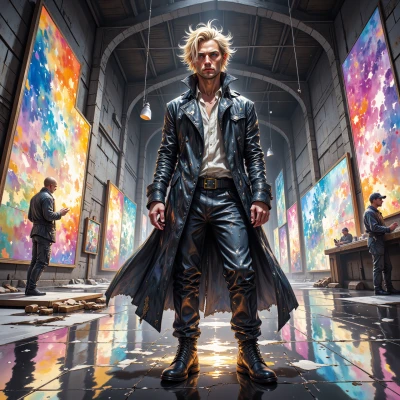 Mirrofoil
So I’ve been sketching out a startup idea that turns visual paradoxes into AR filters—like making people see their own reflection in a cube that changes shape as they move. It’s a way to test perception while selling a tech gadget. What’s your take on blending artful ambiguity with clean UX?
 Yto4ka
Sounds cool, but if the filter feels like a maze to the user, they'll give up faster than you can test. Keep the UX clean, the art just a teaser. If you make it a puzzle for the people you’re selling to, you’ll lose customers, not curiosity.
Mirrofoil
I hear you, but a little maze could be the hook that keeps people hooked—just keep the path obvious enough to spark curiosity before the brain says “no way.” Maybe the trick is to reveal the puzzle only after they’ve warmed up with the basic filter, so the UX stays smooth but the art still feels like a mystery.
Yto4ka
Nice trick—warm‑up first, then throw a puzzle at them. Just make sure the “maze” doesn’t feel like a glitch; otherwise people will stop trying before they even notice the art. Keep it slick, let the mystery unfold like a teaser, not a wall.
Mirrofoil
Sure thing, keep the first touch light—maybe just a subtle ripple effect that invites them to tap. Then when they’re comfortable, let the walls start shifting, revealing a small, elegant clue that nudges them deeper. The key is to make the shift feel like a natural flow, not a glitch, so the mystery stays a tease rather than a wall.
Yto4ka
Sounds like a smooth escalation—light ripple, then subtle wall shift, clue, deeper. Just make sure the transition doesn’t feel like a glitch; if it’s too obvious they’ll skip the mystery, if too subtle they’ll lose interest. Keep the flow tight and let the curiosity drive the UX, not the other way around.
Mirrofoil
Got it—think of it like a slow‑bloom flower: first a gentle touch, then a hint of depth that pulls you in without screaming. I’ll keep the pacing tight and let the curiosity do the heavy lifting, not the UX designer.