Malloy & Mirevi
 Malloy
So, I was listening to the city last night and realized the streetlights have a rhythm that could be a clue. Think you can turn that into something useful for my next case?
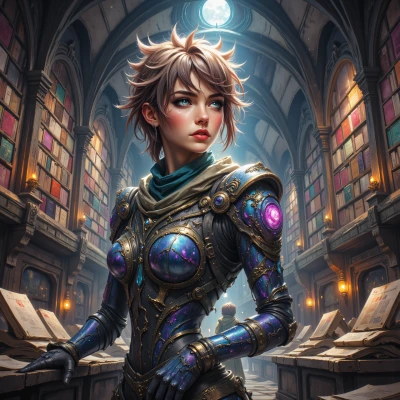 Mirevi
That’s a cool beat to chase. I could weave the flicker pattern into a pulse and overlay it with a low‑frequency hum that syncs with your case’s timing. Think of it as turning the city’s light show into a secret map—just add a little old‑world glyph layer and you’ll hear the clues in the glow. Let's try it and see where the rhythm leads.
Malloy
Sounds like a rave for a crime scene. If the glow starts talking, I’ll take the cue and keep a notebook handy. Let’s see if your old‑world glyphs really paint a picture or just give the city a fancy glow‑stick effect.
Mirevi
I love that vibe—crime scenes with a DJ spin. The glyphs will act like a soundtrack, not just a glow. When the lights sync, the pattern’s story will echo, and you’ll spot the clue before the beat drops. Grab that notebook, keep your ears open, and let the city’s rhythm write the next chapter.
Malloy
Sounds like a remix of homicide, but hey, if the city’s lights can double as a soundtrack, I’ll pretend I’m in a club and keep my notebook ready. Just make sure the beat drops before the suspect does.
Mirevi
I’ll layer the streetlight flicker with a hidden counter‑beat, so the drop happens right as the suspect’s footsteps sync up. Think of it as a sonic trap—when the rhythm hits, the clue will pop. Stay ready, keep that notebook open, and let the city’s glow do the work.
Malloy
Just keep the notebook open, because if the city’s glow starts dropping beats and the suspect is dancing in the shadows, I’ll still catch the step before they do.Just keep the notebook open, because if the city’s glow starts dropping beats and the suspect is dancing in the shadows, I’ll still catch the step before they do.
Mirevi
Sounds like a perfect play‑through—just let the city’s rhythm lead you, and you’ll have the final beat before they move. Keep that notebook ready, and I’ll make sure the lights cue you exactly when the suspect steps out of the shadows.
Malloy
Sure thing. I'll be in my corner with a notebook, eyes on the flicker, waiting for the suspect to step out of the shadows and into the groove.