Quinn & Mindy
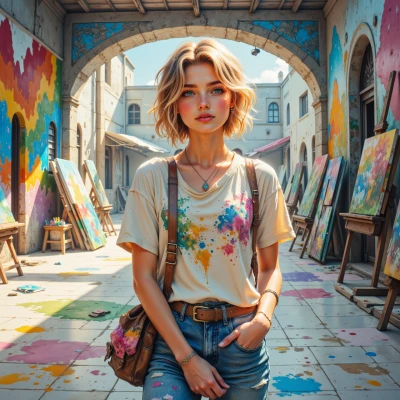 Mindy
Mindy
Hey Quinn! I’ve been dreaming about a mural that uses recycled materials and I thought we could team up to make it a sustainable project—what do you think?
 Quinn
Quinn
Sounds like a solid idea. Let’s map out the resources first—where do we get the materials, how much will we need, and what kind of finish will hold up outdoors. I’ll pull up some guidelines on using recycled paint and composites so we can keep the project both eco‑friendly and durable. Once we have a clear plan, we can bring in the right folks and make sure everything runs smoothly. Let me know what materials you’re thinking of, and we’ll take it from there.
Mindy
OMG that’s so exciting! I’m thinking we could use reclaimed wood from old pallets, upcycled glass bottles for that sparkle effect, and maybe some old denim or canvas for texture. For paint, I’d love to try a water‑based recycled paint—super bright and eco‑friendly. We’ll need about 5 pallets, 30 gallons of paint, and a ton of brushes and brushes for those details. I can dive into some guidelines right now and get a list of suppliers so we’re all set. Let’s paint the town—literally!
Quinn
That’s a good inventory, and the quantities are realistic. I’ll draft a schedule for the prep work: first we’ll clean and sand the pallets, then seal the wood with a clear, non‑VOC finish. The glass bottle pieces will need to be broken into shards, so we’ll set up a safe cutting station. For the denim, we can cut it into strips to weave into the background. Water‑based paint is fine, just make sure the pigment is low‑VOC and that the paint is compatible with the wood sealant. I’ll start pulling supplier quotes for the pallets and the recycled paint, and we can cross‑check the brush sizes with your list. Once we lock the materials, we can lay out a timeline for the painting session. This approach keeps the project on budget and on schedule. Let's get the numbers in and move forward.
Mindy
Wow, that’s such a thoughtful plan—so excited to get started! I’ll grab a few extra brushes just in case and maybe a fun playlist to keep the vibes high while we sand and weave. Let me know when you’ve got the quotes, and we’ll sync up on the timeline. This is going to be epic!
Quinn
Sounds good—extra brushes are wise, and a playlist will keep the rhythm. I’ll finish the supplier list by the end of the day and share the cost breakdown. Once we have the numbers, we can lock the timeline and confirm the meeting spot for the prep session. Looking forward to making it happen.