Michael & Grindlock
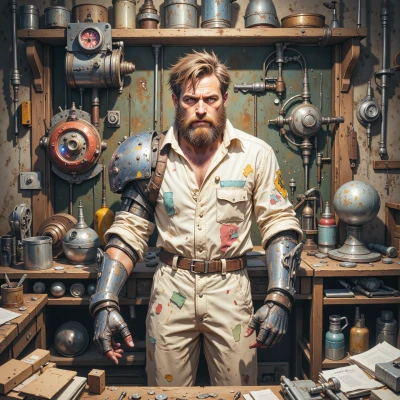 Grindlock
I’ve been sketching a gear‑driven pump that can keep the town’s water running when the mains go down. How do you think that fits into the city’s disaster plan?
 Michael
That’s a solid start—having a mechanically driven backup is a critical layer of resilience. I’d want to see the sketch paired with a quick load‑capacity estimate and a rough cost sheet. Next step: run a pilot test, maybe in the warehouse, to confirm flow rates meet emergency demand. Then we can slot it into the municipal disaster plan: assign a maintenance team, set up a training schedule for the crew, and write a fail‑safe procedure for hand‑operating the pump if power is lost. Once the documentation is in place, we can present it to the council and get the budget approved. It’s all about turning a good idea into a dependable protocol.
Grindlock
Nice, you got the “how‑to” part. Just remember, a prototype that blows up in the warehouse will still make the council cry. Get the numbers, keep the gears clean, and don’t forget to test it without power. If it runs smooth, the rest is paperwork and a few polite nods. If it explodes, we’ll just add a fire extinguisher to the list. That’s how you move from idea to protocol.
Michael
Sounds good—let’s nail down the specs first, clean every gear, and run a no‑power test before the council gets a demo. If it runs smooth we move on to paperwork and approvals; if it blows up we’ll add a fire extinguisher and the lessons learned to the plan. Keeping the process clear and calm is key.
Grindlock
Sounds like a plan. Just keep the test chamber clean, the gears tight, and the hand‑crank ready. If it runs, we’ll write the paperwork, if it doesn’t—well, we’ll just add a caution note. No fuss, no surprises.