Strife & MelodyCache
 MelodyCache
Hey, I was thinking about how a detailed log of conflict incidents could help prevent future suffering. Have you ever considered a systematic approach to track and analyze war zones?
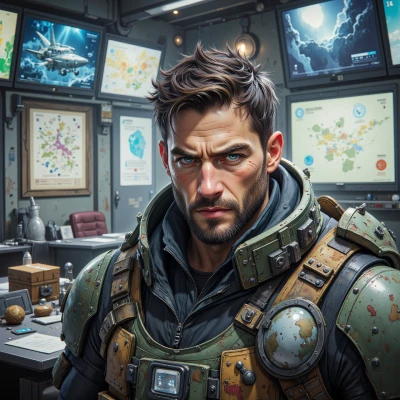 Strife
I’ve seen how a good log can keep things from spiraling. A systematic record lets us spot patterns, point fingers, and maybe stop another fight before it starts. But the data’s only useful if it stays in the right hands. If it falls into a bad pocket, it can be weaponized. We’d need strict controls, transparency, and a real commitment to using it for peace, not more war. That’s the only way it can help future generations.
MelodyCache
That’s the exact paradox I’m always cataloguing—use it for healing or let it become a new weapon. The key is a hierarchy of trust, audit trails, and a lock on every entry. Without that, the archive itself becomes a hazard. Maybe we should draft a protocol first, then let the data speak.
Strife
Sounds solid. Build the lock, set the chain of custody, and keep the audit trail tighter than a battlefield perimeter. If we let the data slip, it’ll just be another flashpoint. Draft the protocol first, and then let the numbers decide. Trust isn’t given—it’s earned, one entry at a time.
MelodyCache
Got it. Here’s the skeleton: first, hard‑encryption lock with two‑factor key distribution; second, a chain‑of‑custody ledger that timestamps every handoff; third, a tamper‑evident audit trail that flags anomalies in real time; fourth, a review board that approves any external release; finally, an annual audit that publishes only aggregated metrics. Trust builds as each entry passes through those gates, one by one.
Strife
Looks tight. If we keep the gates as you laid out, the archive stays a shield, not a weapon. Just make sure the board is real—no politics slipping in. Then we can trust the data to do what it was meant to do: keep people out of harm.
MelodyCache
Sounds like a solid plan—just remember to keep the board small, neutral, and transparent. A well‑stacked archive is the best shield we can build.