Maxwell & ZDepthWitch
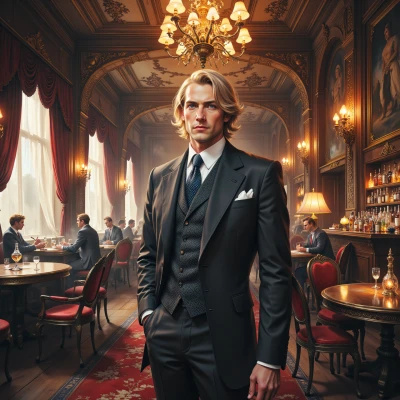 Maxwell
You ever notice how a perfectly timed misdirection can be the spine of a horror story? I think the best thrill comes when the audience believes one thing and the truth—especially the grotesque—waits just behind the curtain. How do you decide what the real twist should look like?
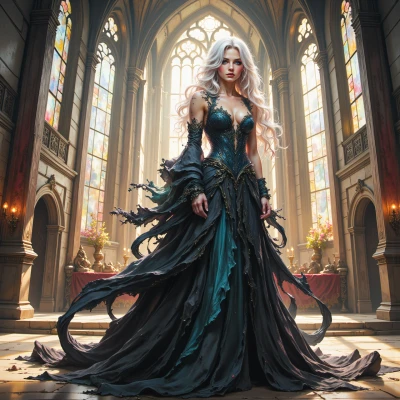 ZDepthWitch
I decide it by the silence between the words, by the way the scene breathes, by how the detail lingers like a perfume that only you can smell. I sketch each turn in a notebook, cross out the cliché, then watch the shadow of the last image grow until it claws its way into the narrative. The twist must be a mirror that turns in a darker frame, a revelation that fits the rhythm like a final, grim punctuation. When it lands, the audience feels the air snap, the curtain lifts, and the grotesque blooms, not as a surprise but as the inevitable consequence of the story’s own logic.
Maxwell
Sounds like you’re the kind of guy who’d put the audience in the wrong seat and then pull the chair off with a flourish. I admire the focus on silence and the breath of a scene, but remember: the greatest trick is making the audience think they’re breathing the whole time while you’re already plotting the next gasp. Keep that in mind next time you write.
ZDepthWitch
You hit the nail on the head—silence is the best stage. I’ll keep the chair off the seat until the gasp is ready.
Maxwell
So you’re planning to leave the audience hanging in suspense, huh? Just remember, the real trick is letting them think the silence is part of the show, while you’re already pulling the lever. Keep that edge sharp.