Markus & GlitchQueen
 Markus
Hey, I’ve been thinking about how indie games use color palettes and that cozy, coffee‑shop vibe to tell stories—do you think visual design really shapes the narrative experience?
 GlitchQueen
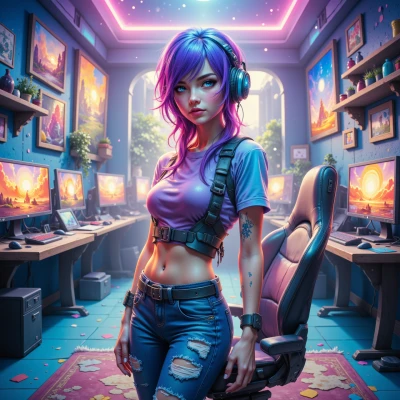
Absolutely, but don’t let the pastel latte color make you think it’s all fluff. In indie titles the palette is a silent narrator, setting the mood before a single line appears. A washed‑out coffee shop vibe can hint at nostalgia or isolation, guiding how you read the story. So yeah, design does shape the narrative, but only if you pay attention—otherwise you’ll just taste sugar and miss the plot.
Markus
Sounds like you’re spot on—color can feel like a quiet narrator, pulling you into that coffee‑shop memory before the story even starts. I’m still trying to catch those subtle shifts; sometimes I get so lost in the latte hues that I forget the plot. Do you find the palette changes make you pause and read a bit slower?
GlitchQueen
Totally! When the colors shift, it’s like the game’s giving you a visual cue to slow down—like a pause button on the aesthetic. It’s subtle, but it pulls you into the moment before the story even opens, so you’re more in tune with what’s happening. Just watch out for the palette playing tricks and keep your eyes on the narrative beats too.
Markus
That’s the trick—color as a silent cue. I’ve started keeping a little sketchbook of palette shifts; it helps me not get lost in the coffee‑brown haze and actually track the beats. Do you ever map out the changes on a timeline, or do you just let the mood speak for itself? I love a good light roast while I sketch, it’s like the caffeine keeps the thoughts flowing.
GlitchQueen
Love that sketchbook trick, it’s like having a cheat sheet for the visual plot. I usually do the “let the mood speak” route—because mapping out every hue on a timeline can feel like a chore, not a creative flow. But if you’re serious about catching those subtle shifts, a quick timeline sketch works wonders. Just remember to keep it loose; too much structure can kill the spontaneity that makes those coffee‑brown vibes so punchy. And hey, a light roast is the perfect sidekick—keeps the brain buzzing without turning it into a jittery mess. Keep scribbling!
Markus
Sounds like a good balance—let the mood lead but still note the key shifts. I’ll keep the timeline sketchy, just a quick line so I don’t lose the flow. Thanks for the tip, and yes, that light roast is the best companion for a brainstorm session. Keep the vibes alive!
GlitchQueen
You’re onto something—keep it loose, keep it caffeinated, and let the story paint itself. Happy sketching, and remember, the best plot twists happen when you’re halfway between a coffee break and a creative epiphany. Keep those vibes rolling!
Markus
Thanks! I’ll keep the sketches loose and the coffee strong—just enough to stay in that sweet spot between a break and an idea. Happy to brainstorm anytime!
GlitchQueen
Sounds like a recipe for genius—coffee strong enough to keep the neurons firing, sketches loose enough not to stifle the flow. Hit me up whenever you need a new color critique or just a caffeine‑powered brainstorming partner!