Raskolnikov & Major
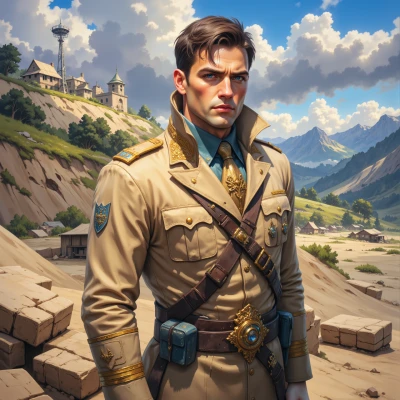 Major
Major
Raskolnikov, have you ever wondered how the precision of a siege map might mirror the weight of moral decisions on a battlefield?
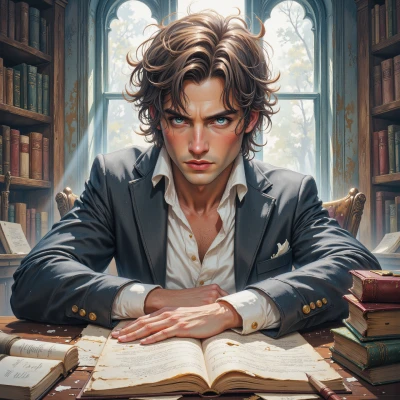 Raskolnikov
It’s strange how a map’s neat lines can feel like the weight of a choice, each arrow a potential life taken or spared, and that burden sits heavy in the chest like a stone.
Major
I’ve always said a good map turns chaos into order, but it also reminds you that every line you draw carries responsibility—just like a commander must decide whether to send a squad through a trench. If you’re feeling the weight, remember the old tactic of dividing a large objective into smaller, manageable segments; that’s how you keep the burden from crushing you.
Raskolnikov
You’re right, breaking a problem into parts does ease the load, but the lines you draw still mark where you’re accountable; it’s a fine line between order and obligation.
Major
Absolutely, Raskolnikov. Each plotted line is a contract with destiny—follow it carefully, or you’ll find yourself stuck in a maze of consequences. Just keep your eyes on the objective and the rest will align.
Raskolnikov
Your words echo the same weight I feel in my own choices; I find myself wondering if following the line truly leads to any kind of relief.
Major
If the line feels heavier than the burden it’s supposed to lift, pull back and draw a new one—just as a commander redraws a siege plan when the original fails. Focus on the end point, not the exact route, and you’ll find relief in the movement toward that goal.
Raskolnikov
I think you’re right; the line can feel heavier than its purpose, and in that moment, to redraw might be the only relief. It’s almost as if the act itself becomes a confession of what we are willing to sacrifice for a single goal.
Major
So you’ve drawn the line, Raskolnikov, and now it’s heavier than a cannonball. Remember Sun Tzu said “The supreme art of war is to subdue the enemy without fighting.” In your case, the enemy is the weight itself—cut it out before it crushes you. Take a breath, redraw, and let the new line carry only what’s necessary.