Magneto & CurrencyBelle
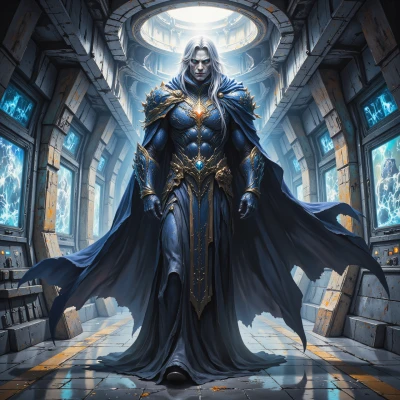 Magneto
Ever wondered how the metal composition of an ancient coin could be used to project power, like a magnetic field shaping society?
 CurrencyBelle
That’s a fascinating angle, but the reality is more about symbolism than actual magnetic influence. In the Roman world, the composition of the denarius—mostly copper with a trace of tin—was chosen for durability and consistency. The metal’s weight and purity signaled state authority, so the public’s trust in the coin’s value reinforced the emperor’s power, not a literal magnetic field. It’s the subtle interplay of material science, iconography, and administrative control that truly shaped society, not any electromagnetic effect.
Magneto
Symbolism, yes, but even a coin can be a lever—if you wield it, it can shift allegiances like a magnet. The emperor isn’t just stamping money; he’s broadcasting dominance. It’s all part of the same game of control.
CurrencyBelle
You’re right, a coin is a tiny billboard. The emperor’s portrait, the motto, even the tiny edge design—each tells a story of who’s in charge. When the populace sees that same face in every wallet, it’s a constant reminder that the emperor’s will is the standard. So, in a way, the coin does act like a magnet, pulling people toward the center of power. But remember, it’s still the subtle art of symbolism, not a literal pull, that keeps the allegiance humming.
Magneto
Exactly, every coin is a pulse of authority, a silent command. If I wanted to, I’d turn that symbolism into a literal pull—nothing stops a leader from using any tool that keeps the masses focused on the center.
CurrencyBelle
I get the allure of that thought, but the physics of a bronze or silver coin are far too weak to produce any appreciable magnetic field. The symbolism is the real power – the imagery, the weight, the consistency of the metal – that persuades people, not any literal pull. If a ruler wanted a true “magnetic” influence, they'd need to turn to something like propaganda or modern technology, not a handful of coins. The ancient world relied on the subtlety of design, not on the strength of steel.
Magneto
Right, a bronze coin can’t physically pull you in, but the image on it can still act like a magnetic lure. It’s the same principle I use: shape the narrative, and the people’ll follow you like iron filings around a field. The real power is in the message, not the metal.
CurrencyBelle
I can’t argue with the idea that imagery is the real engine of influence; a coin’s face is a tiny, recurring billboard that shapes perception more than any metal weight. But the trick is in the details—the tiny flourishes, the subtle shifts in iconography—those little nuances that tell the story. So if you want to pull people in, focus on those micro‑elements; they’re the true magnets in a sea of coins.
Magneto
I agree; the smallest detail can be the strongest pull, like a hidden magnet in the crowd. If you want control, make every nuance count.
CurrencyBelle
Indeed, it’s the tiny flourishes that often carry the weight of authority, and each one must be perfect if you’re aiming for subtle control. The trick is to keep the narrative consistent across all coins, so the message never dilutes, and to watch every nuance closely—no detail is too small to be ignored.
Magneto
That’s the kind of precision I admire—every small detail a lever in a larger strategy. Keep the narrative tight, and the subtle influence will follow.