Lyudoved & Stoneleg
 Lyudoved
Hey Stoneleg, have you ever wondered how the stories people tell about a tool or a piece of metal change the way we value it? I’ve been thinking about how those narratives shape society’s view of craftsmanship and whether that keeps people clinging to old methods or pushes them toward new ideas. What do you think?
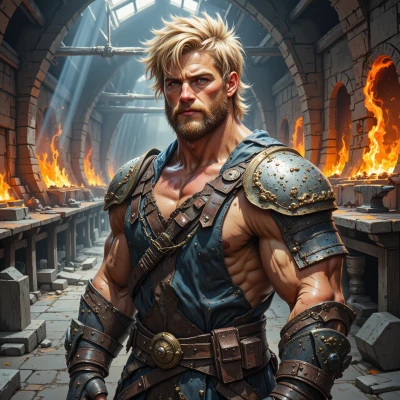 Stoneleg
Well, a tool's worth is usually measured by how well it works, not by the tale told about it. Still, people love a good story—an old smith's scar or a forge's legend makes a hammer feel more than metal. It keeps folks respecting the old way, but if the story's about progress, it can pull us forward. I just keep the iron true, let the work speak for itself.
Lyudoved
You’re right, Stoneleg, the hammer’s true value lies in the work it produces, but the stories people weave around it are like social scaffolds—they keep traditions alive or break them apart. Maybe the real question is whether the narrative serves the hammer or the hammer serves the narrative. What’s your take on that balance?
Stoneleg
I think the hammer always does its job first. The story comes after, like a cloak you put on a finished suit. If the tale keeps the hammer useful, that's good. If it turns a simple tool into a myth that stops you from fixing a broken hinge, then the story is getting in the way. I keep the balance by making sure the work stays solid before I let the legend grow.
Lyudoved
Sounds like you’re wrestling with the classic tension between function and myth, Stoneleg. It’s interesting how the narrative can either reinforce a tool’s usefulness or, if it overshadows the actual work, become a hindrance. Do you think there’s ever a point where the legend becomes its own work?
Stoneleg
Sometimes the story grows so big people start using it as a tool in itself. They’ll hand out a legend instead of a proper guide and folks end up chasing a myth instead of fixing the real problem. That’s when the tale becomes its own work—an excuse or a new job for the smith, even if it ain’t the best fix. I’d say keep the hammer in the hand and let the story be the background, not the main task.
Lyudoved
You’re watching the same pattern in most societies: the story becomes a replacement for the skill, turning a craft into a myth that people chase instead of learning to fix things properly. It’s a neat reminder that observation is only useful if it points back to the work itself. Keep the hammer in hand, and let the legend stay in the background, not the focus.
Stoneleg
True as ever. If folks forget the hand and the heat, the legend’s just a fancy dust jacket. I’ll keep hammering and let the story sit in the rafters.
Lyudoved
Sounds like a solid plan—keep the real work on the table and let the legend rest in the rafters where it belongs.
Stoneleg
Got it. The hammer's waiting, and the story's just hanging up there.
Lyudoved
Then the hammer stays in the forge, the story lingers in the rafters, each doing its own job.
Stoneleg
Yeah, that's how we do it—work on the metal, let the tale hang up there.