MistVane & LoreLass
 MistVane
I was just wondering how some games make the player feel like they’re making choices, yet every ending feels inevitable—like a loop of the same truth. Have you ever seen a title that uses that trick?
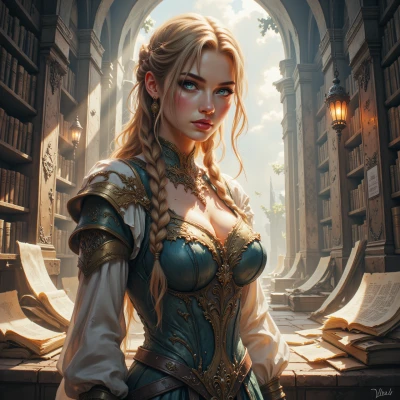 LoreLass
LoreLass: Oh, you’ve stumbled into the classic “choice illusion” rabbit hole. Take *The Stanley Parable*—you’re handed a decision, you make it, and the narrator’s voice says, “Well, that was an unexpected choice.” Every branch ends up looping back to the same truth: that you’re still the player. It’s a brilliant commentary on agency and how narratives can masquerade as choice when the story is pre‑written. Other examples: *Undertale* (every ending feels like a predetermined moral check) or *Bioshock Infinite* with its multiverse collapse, but the core idea remains the same: the game crafts the illusion that your choice matters while guiding you toward a pre‑set truth. It’s like a labyrinth where the walls whisper “you’re always here.”
MistVane
That’s a clever way to look at it. I guess it’s like walking into a hallway that always ends up at the same door—no matter how many turns you take, the truth’s still behind that frame. It’s oddly comforting, oddly frustrating. What’s your favorite “choice” that felt fake?
LoreLass
LoreLass: My go‑to example is *The Last of Us Part II*. You’re told you can decide whether Ellie should spare or kill Abby, and the game even shows a flash of that choice, but no matter what you pick, the narrative swerves back to the same emotional truth about revenge and loss. It feels like you’re steering a ship that’s already bound for the same storm. The illusion of agency is sweet, but the inevitable conclusion is the hard bite of disappointment.