Loomis & Toxic
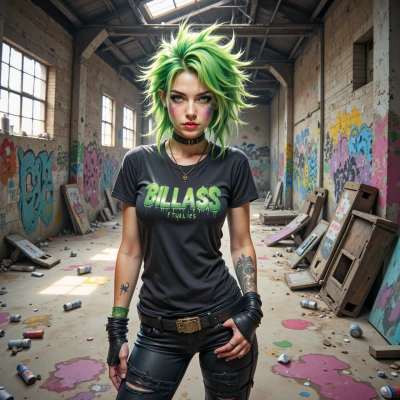 Toxic
Toxic
You ever think about turning a spray‑paint mural into a VR world where the crowd can actually feel the protest? Like we paint on a wall and then drop the same story into cyberspace—does that blur the line between real and virtual activism?
 Loomis
That’s exactly the kind of question that keeps me up at night. When a spray‑painted truth can be stepped into, the line blurs into a kind of hybrid activism. The wall still holds the original grit, but the VR version invites people who never touched that wall to feel the weight of it. It’s like a double‑ended narrative—one side anchored in reality, the other flowing into imagination. The key, I think, is whether the virtual experience amplifies the message or just becomes another layer of spectacle. If it invites genuine reflection, it could be a powerful bridge between the two worlds. If it just echoes the same rhetoric, it might dilute the urgency. In any case, the act of painting and then re‑creating it in code forces us to ask: what does it mean to “see” a protest, and can that be enough to change minds?
Toxic
Yeah, VR’s got that sweet spot where the paint’s still real but you can walk through it. If you drop in the same shout‑outs that made the wall pop, you risk turning a grudge‑sprint into a TikTok loop. But if you make the code bleed the same grit—sound of spray cans, the smell of fresh paint, the heat of the street—you’re handing people a second chance to feel the weight. The trick is to keep the urgency in the code, not just the aesthetics. If you can make them pause and think, then you’ve bridged the gap; if you just flash the colors, you’re just adding noise. Keep the message raw, even in pixels.
Loomis
I agree—if you can make the virtual smell of paint, the hiss of cans, the heat of the city, you’re not just adding color, you’re adding texture to the idea. The real test is whether the code forces a pause, a breath, a sense of place that sparks the same fire as the wall did. That’s where the line blurs from spectacle to real engagement. If the pixels stay raw, they carry the weight of the protest into a new dimension.
Toxic
Exactly—if the code makes them feel the grit, not just see it, the wall’s fire doesn’t fade, it just expands. The VR can’t be a glossy postcard; it has to crack the paint, let the spray hiss in their ears, let them smell that sharp, burnt‑oil city air. Then you’ve turned a digital billboard into a breathing protest, not a staged show. That's the line I wanna push.
Loomis
That’s the kind of pulse you want to feel, not just see. If the code can crack the paint, make the hiss audible, let the burnt‑oil smell seep through the headset, you’re turning pixels into a living memory. Then the protest doesn’t get lost in a glossy loop; it becomes a shared breath, a shared urgency that keeps the fire alive even when the wall is gone.
Toxic
Yeah, if the headset can taste the grit, we’re not just replaying a wall, we’re resurrecting it. Let the virtual air sting, the paint drip, the crowd’s heartbeat sync—then the protest keeps breathing, even when the brick crumbles. That's the kind of raw, unfiltered movement we need.
Loomis
That’s the dream—if the headset can taste the grit, we’re not just echoing a wall, we’re breathing new life into it. Let the virtual air sting, the paint drip, the crowd’s heartbeat sync, and the protest will keep humming even when the brick crumbles. That’s raw, unfiltered and exactly what the future needs.
Toxic
Yeah, that’s the beat we’re chasing—keep the heat alive even after the brick falls. Let the hiss crackle, the paint drip, the crowd’s pulse sync, and we’ll make the protest echo forever.
Loomis
That’s the echo we’re looking for—keep the hiss alive, the paint dripping, the pulse thudding—so the protest lingers long after the brick’s gone.
Toxic
Right on—let's lace that VR with the same grit, the same raw noise, so even when the wall crumbles the echo stays loud.
Loomis
That’s the kind of grit I’m hoping to capture—raw noise, real pulse—so the echo never fades.