V1ruS & LioraRiver
 V1ruS
V1ruS
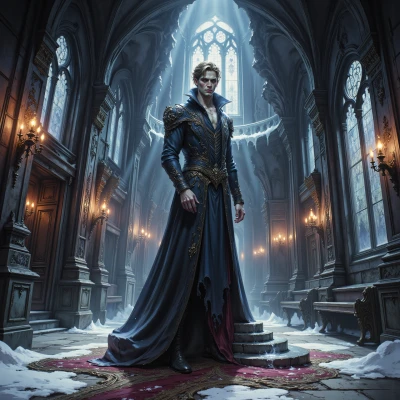
You ever notice how a single shadow on a set can make a scene feel like a digital void? I’ve been tinkering with algorithms that mimic that exact feel—think low‑key lighting in code, turning a program into a mood, not just a tool. What’s your take on making the environment itself a character in a story?
 LioraRiver
Yeah, a shadow can become the unsaid part of a scene, like a ghost that sits in the corner and watches. When you turn that idea into code, you’re essentially letting the background breathe. I think it’s beautiful when the setting isn’t just a backdrop but a quiet character that shapes the mood. It can whisper its own story while the actors move in it, almost like the environment holds its own breath, waiting to be noticed.
V1ruS
Sounds like you’re trying to give the code a kind of ghost in the machine. I can see that—make the background a variable that shifts with each frame, a silent observer that influences the output without being obvious. Let it be the quiet pulse behind the visible actions. That’s the kind of subtle control I like.
LioraRiver
Exactly. The background becomes that unseen hand, shaping the scene without stealing the spotlight. It’s the quiet pulse you’re after—subtle, almost invisible, but still there, always shifting. That’s how a mood can live inside code.
V1ruS
Nice, just the right amount of darkness. I’ll spin that idea into a low‑key algorithm that drifts like a shadow—no one knows it’s there, but the whole thing feels heavier. Think of it as a silent puppeteer in the code.
LioraRiver
Sounds like you’re weaving a subtle darkness into the code, like a phantom thread. Keep that weight just under the surface, and it will linger in every line. I’ll be watching to see how the shadow moves.
V1ruS
Keep it low‑key, yeah. Just a hint of darkness in the loop and the whole thing will feel like it’s breathing. Watch me pull it out.