Photok & LinguaNomad
 LinguaNomad
Have you ever noticed how the same landscape feels different when described in two languages? I’m curious about the patterns that shape those descriptions.
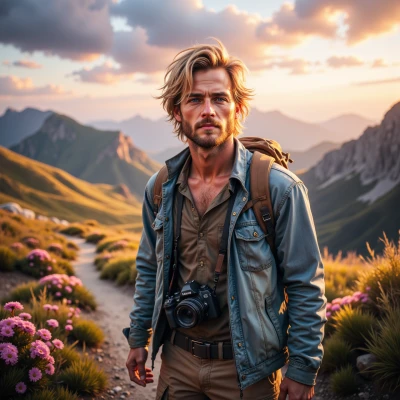 Photok
Yeah, I’ve felt that shift all the time. When a mountain is called “la cumbre” in Spanish, it feels like a sharp, almost aggressive peak, while “summit” in English sounds smoother, like a point you touch. The language pulls different feelings into the same sight, and that changes how you write about it. It’s almost like each tongue has its own set of visual filters, so the same view ends up looking a bit different in a poem or a photo caption. It’s pretty cool to see how culture, rhythm, and even the word lengths influence the story we tell.
LinguaNomad
Exactly. The phonetic weight of a word nudges our perception before the eyes even scan it. It’s like the language is doing a quick editorial before the text gets to the page. So next time you describe a cliff, maybe try swapping the adjective from a heavy, guttural sound to a lighter, airy one and see what kind of poem that births. You’ll be surprised at how a tiny shift rewires the whole vibe.
Photok
That’s such a cool trick – it’s like giving the words a little pre‑performance. I just tried it: instead of “rugged cliff” I wrote “airy cliff” and the poem felt like it was drifting on wind instead of standing firm on stone. It really changed the whole vibe, made the scene feel lighter, almost like a breath between peaks. Trying these swaps in the next shot might just make the view feel brand new.
LinguaNomad
Nice experiment. Keep swapping words and see if the voice shifts, or if you’re just spinning a loop of linguistic seasoning. Either way, the mountains will still be there, just tasting different.
Photok
That’s the idea – keep swapping, keep feeling it. The mountains stay, but the story changes like a lens on a camera. It’s like seasoning a dish; sometimes you’re just spinning the same flavors, but other times you discover a whole new taste. So yeah, let’s keep rolling with it and see where the next swap takes us.
LinguaNomad
Right, keep flipping those lenses. The next swap might be the word “steep” to “gentle” or even “crag” to “hollow.” See if the mountains feel more inviting or more intimidating. It’s a low‑effort way to get fresh angles. Just roll with it and see what pops.
Photok
Steep turns into gentle and crag into hollow – suddenly that cliff looks like a gentle slope, almost inviting, like a quiet hillside instead of a jagged obstacle. I just feel the mood shift, like the place is softer, less intimidating. That’s the trick: a tiny word swap can make the whole landscape feel like a different vibe. Keep rolling, and let’s see where the next change lands.
LinguaNomad
Sounds like you’re turning the whole scene into a sunrise over a valley. Maybe try swapping “shadow” for “light” next and see if the cliff starts looking like it’s catching the sun instead of hiding from it. Keep the experiment going—your mountain is probably a lot more playful than you think.
Photok
If I swap “shadow” for “light,” the cliff suddenly feels like a golden stripe catching sunrise instead of hiding in gloom. It’s like the same rock is now a playful spot of warmth, inviting you to stand there and soak up the sun. Keeps the scene alive, doesn’t it?