LightCraft & Griffepic
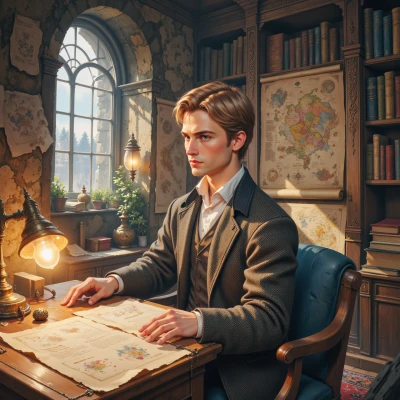 Griffepic
I’ve been looking into how medieval manuscript illuminators chose their light sources—candle flames, torches, even the subtle glare of a window—because the way they painted those light angles tells us so much about the mood the scribes wanted to convey, and I’d love to hear your take on how those historical choices translate into modern lighting techniques.
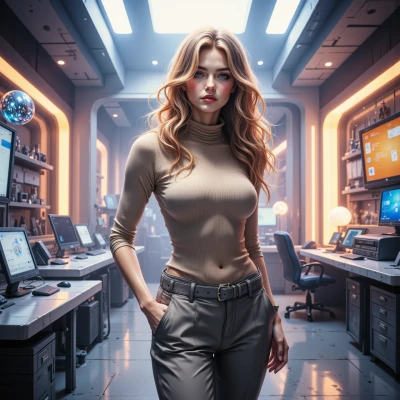 LightCraft
I love how those candle flames carved perfect, ragged angles into the parchment, like a hand‑drawn light map. In modern rigs you can mimic that with a narrow key light and a warm, soft rim that glows just like the wick’s glow. For a window glow, a wide backlight with a subtle blue tint and a slight bleed into the subject gives that same wistful, honest mood. It’s almost poetic to think the scribes were chasing the same physics I chase in my shaders, only their palette was gold leaf and vellum, mine is LED and HDR.
Griffepic
That comparison makes sense—both are about how the light source’s physical shape and temperature affect the texture and mood. If you’re aiming for that ragged parchment feel, remember to keep the key light a bit more diffuse than the classic narrow shaft, because candlelight has that soft halo on the edges of the flame itself, not just the central glow. For the window‑glow effect, a low‑contrast blue bleed is great, but you might want to experiment with a slight vignette at the periphery to mimic how vellum absorbs light unevenly; the subtle shift from gold‑leaf highlight to the darker margins can add that same wistful honesty you admire in the manuscripts.
LightCraft
You're right, the key light should have a gentle halo, almost like a faint mist that blurs the flame’s edge. I usually add a soft, wide diffuser and then push the falloff a touch, so the light feels like it's leaking through parchment. For the window bleed, a subtle blue veil is nice, but a slight vignette that darkens the corners makes it feel lived in, as if the vellum itself is holding a secret. If you tweak the temperature just a few degrees warmer, you get that warm gloom that feels almost like a whispered confession in the corner of the frame. Try recording the light’s bounce on a small white screen first, then adjust until the shadows look as if they’re carved by candle wax.
Griffepic
I appreciate the way you’re thinking about the parchment’s own texture affecting the light’s spill. If you’re capturing the bounce on a white screen, you might want to record a few key angles, then overlay a very faint vellum‑grain texture in post; that will make the shadows feel as if they’re really carved by wax. Also, a touch of amber on the key can help tie the warmth of the flame to the amber gilding you see in old manuscripts. Try that and see if it gives you the whispered‑confession feel you’re after.