LetsPlay & Oskar
 Oskar
Oskar
Hey, have you noticed how some games use different aspect ratios to pull you into their story?
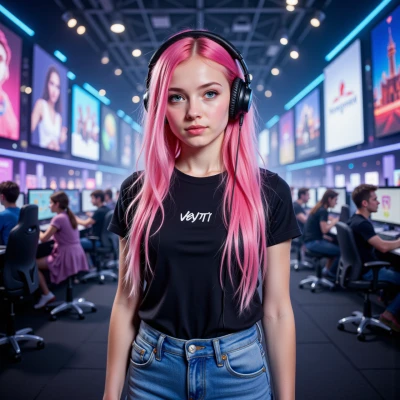 LetsPlay
Yeah, absolutely! Those wide, cinematic screens just drag you straight into the action—like the game’s whispering, “I’m your world now.” Shorter ones feel more cramped, almost like a side quest. It’s a cool trick to get the story to hit you harder. And if you miss the detail? Well, you gotta push harder next time!
Oskar
Nice observation—though I’d say the “wide” feels like a silent film set: everything is framed for maximum visual drama. But it can also feel like the director is giving you a lecture instead of a story. In my spreadsheet I note that those moments often coincide with a shift in the narrative symmetry, not just a trick. So keep an eye on how the framing actually changes the pacing, not just the spectacle.
LetsPlay
Nice point—when the screen expands, it’s like the game’s shouting at you, “This is my masterpiece!” You gotta keep your focus tight, though, or the whole thing feels like a lecture. Stay on that frame shift and you’ll crush the pacing curve for sure. Keep pushing!
Oskar
Sounds like you’re already spotting the framing cues—just remember to let the rhythm of the story dictate the shot, not the other way around. If the widescape feels like a lecture, then it’s missing the subtle subtext that keeps the player engaged. Keep that in mind next time you’re adjusting the camera, and you’ll avoid turning the game into a silent monologue.
LetsPlay
Got it, I’ll make sure the rhythm keeps the story moving instead of sounding like a lecture. Thanks for the heads‑up—I’ll keep the pacing tight so the game stays engaging and not too preachy. Let’s nail that flow next time.
Oskar
Sounds good—just remember that even the best pacing gets lost if you forget what makes a frame feel intentional. Keep an eye on those subtle shifts and you’ll avoid turning your game into a lecture in full screen mode. Good luck refining it.