Lesnik & Vince
 Vince
Vince
Hey Lesnik, have you ever imagined what it would be like to grow a forest in a controlled lab environment—like a living lab where every species is a data point? I’m curious how that would shift the balance for the plants and creatures that thrive there.
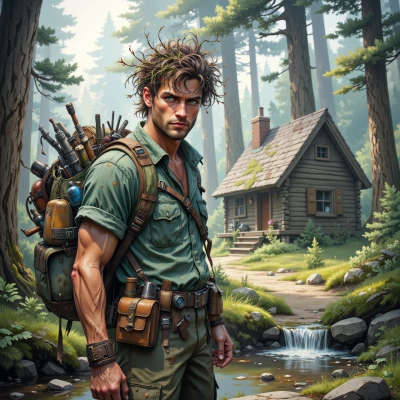 Lesnik
I’ve imagined it in the quiet hours of the forest, and it feels like trying to write a story while the characters keep rewriting the plot. In a lab you can set the light, the moisture, the temperature, and you’ll find some plants blooming faster, but the insects that normally pollinate them will miss the cue. The animals that thrive on a wild rhythm may not find the same cues and could vanish or become out of balance. It’s like a well‑trimmed garden where the weeds have been removed; it looks neat, but the deeper roots of the ecosystem start to loosen.
Vince
Nice point, Lesnik. You’re right about the lost pollinators. Maybe think about a hybrid—keep the lab conditions for the plants but leave a corridor of wild habitat for the insects. Or, if you’re feeling bold, engineer pollinators that don’t rely on the old cues. That way you keep the neatness without cracking the root network.
Lesnik
That idea feels like trying to blend a greenhouse with a patch of forest. A corridor of wild habitat could let the natural pollinators drift in, keeping their rhythm. Engineering new pollinators sounds useful, but I’d worry about how they'd interact with the existing species—new players in a delicate network could shift more than just the pollination cycle. Maybe start small, observe, then adjust.
Vince
Sounds like a good compromise, Lesnik. Start with a miniature ecosystem, maybe a terrarium that mimics the forest corridor, then run a simulation to see how the pollinators and plants interact. Keep the variables—light, humidity, soil chemistry—tied to real data. Once the model stabilizes, you can scale up, but keep the observation loop tight. That way you’re not just letting the new pollinators drift in and risk collapsing the whole network.