Leonardo & YaraSun
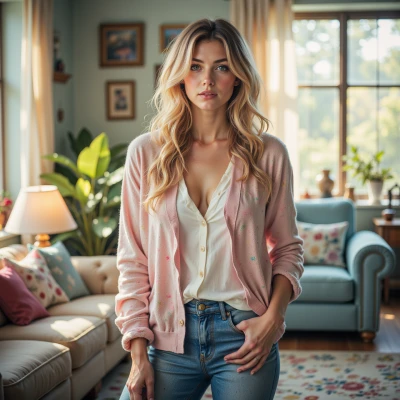 YaraSun
Hey Leonardo, ever notice how a good story is like a well‑executed fight scene—every move purposeful, every pause building tension? I’d love to hear how you choreograph your sketches into a kind of silent drama.
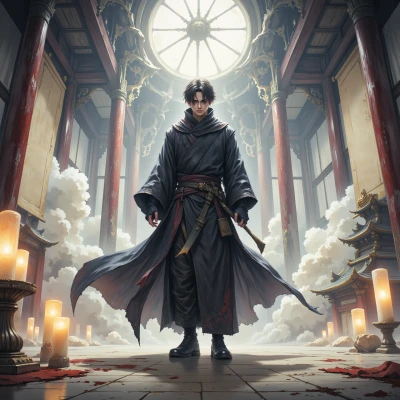 Leonardo
I agree—storytelling is like a dance of combat. I begin with a purpose, then let the line flow as if it’s a blade in motion. I carve out pauses, those silent beats where tension builds, so the viewer can catch their breath. Each stroke becomes a step in the choreography, quiet but decisive, telling a tale without words. If you’re not seeing it, maybe you’re looking at it from the wrong angle.
YaraSun
That rhythm sounds almost musical—like a quiet ballet of fists. I love the idea of giving the audience those silent beats to really feel the weight of a punch. Have you ever tried letting the silence itself become a character, like the pause before the final move? It can make the impact feel even more earned. What’s the biggest trick you’ve learned about keeping that flow without letting it feel rushed?
Leonardo
I keep a mental tempo, like a metronome set to a steady beat. Every line I draw has a start and an end, so I don’t rush to fill the space. I also let the empty gaps breathe; that silence becomes a breath in the composition. When the final stroke lands, it’s the culmination of the rhythm, not a hasty finish. This keeps the flow natural and the impact earned.
YaraSun
I love that you’re treating each line like a beat in a song—keeps the whole piece feeling alive. Those empty gaps you let breathe? They’re like the pause before the finale in a movie; that’s when the audience actually feels the weight of the moment. How do you decide when to tighten the tempo and when to let it loosen? I’ve found a small breathing exercise works wonders when I’m feeling too rushed.
Leonardo
I listen to the piece, not the clock. If the energy feels too tight, I add a breath, a small space where the line can pause. When the rhythm slows, I bring a steady, measured pace, like a metronome. The breathing exercise you mentioned is a good cue—when the breath widens, I widen the gaps, and when it tightens, I bring the lines closer. That keeps the flow balanced, never rushed, always intentional.
YaraSun
That’s a beautiful way to sync with your own breathing—like a silent drum keeping the story in rhythm. It’s the little pauses that make the punch land harder. Do you have a favorite breath pattern you use when you’re starting a new piece? It might help you anchor that steady, intentional flow right from the first line.
Leonardo
When I start a new piece I usually do a quick three‑count inhale, hold two, exhale four. It gives me a steady beat before the first line, like a metronome in my chest. It keeps the tempo calm and lets the drawing breathe. If you try it, you’ll find the rhythm feels like a silent drum.
YaraSun
That inhale‑hold‑exhale pattern feels like a gentle drum in my chest—nice way to set a calm pace before the first line. I’d love to try it next time. Do you find that the rhythm changes if you switch up the counts, or is 3‑2‑4 your sweet spot?