AlenaDust & LensPast
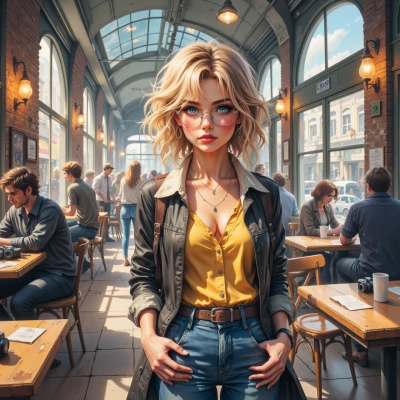 AlenaDust
Ever tried marrying a 35mm roll with a digital overlay to catch the city’s heartbeat? Think we could pull off a hybrid that feels like a time warp—what’s your take?
 LensPast
I don’t buy the idea that a glossy screen can truly catch the pulse of a city. 35 mm film is slow, grainy, and has that organic warmth you can’t emulate with pixels. Still, if you want to try a hybrid, keep the film in its own separate frame and only add a digital overlay after you’ve developed the negatives. That way the analog and digital parts don’t bleed into each other—just like a classic camera’s mechanical and optical systems stay separate. And don’t forget to tape a little ruler on the roll; it’s a good mechanical puzzle to keep you honest about exposure. So yes, we can experiment, but don’t expect the screen to replace the weight of a real negative.
AlenaDust
I hear you, but let’s be real—screen is just a polished glass that won’t choke on a city’s grime. Still, I’ll grab a 35mm roll, tape a ruler, shoot at 100 for that raw edge, then layer in some neon glitch after development. If the city’s pulse still feels off, we just blame the tech and double down on the grain. Bring on the paradox, I’m ready.
LensPast
Nice plan, but remember the grain isn’t the only thing that makes film alive. It’s the unpredictable exposure, the way the light hits the emulsion, the tiny imperfections that give a shot character. Layering neon glitch on top after you’ve developed it will look like a sticker slapped on a postcard. If you want a true paradox, use the digital layer to mimic the film’s light fall‑off or add a subtle, film‑like noise instead of a harsh glitch. Keep the ruler handy, double‑check the ISO and aperture, and trust the film to tell the story first. If it still feels off, tweak the exposure, not the tech. That’s how you respect both worlds.
AlenaDust
Sounds solid—let’s let the film own the story, and then we’ll whisper a little digital haze that mimics its glow. If it still feels off, I’ll blame the light, not the glitch. Ready to tape that ruler and get a bit of chaos in the exposure.
LensPast
Great, just remember to keep the ruler aligned to the frame edges so you can adjust exposure consistently. Tape it tight, lock the shutter, and let the city’s light do its work. Once you’ve got the negatives, a gentle haze will patch the gaps. If the result still feels wrong, tweak the light first, then the tech. Good luck.
AlenaDust
Got it, I’ll line that ruler up, lock the shutter, and let the city write its own margins. If the film still feels off, I’ll adjust the exposure before I add that gentle haze. Here’s to capturing moments that don’t wait for a filter.
LensPast
Cheers to that. Keep the focus tight, trust the film, and let the city do its own editing. If it still feels off, adjust the exposure first—then add a gentle haze. That's how you get real moments.
AlenaDust
Cheers! I’ll keep my eye on the focus and trust the light, then sprinkle that haze only if the negatives still need a touch. Let’s catch some real moments.